Overview
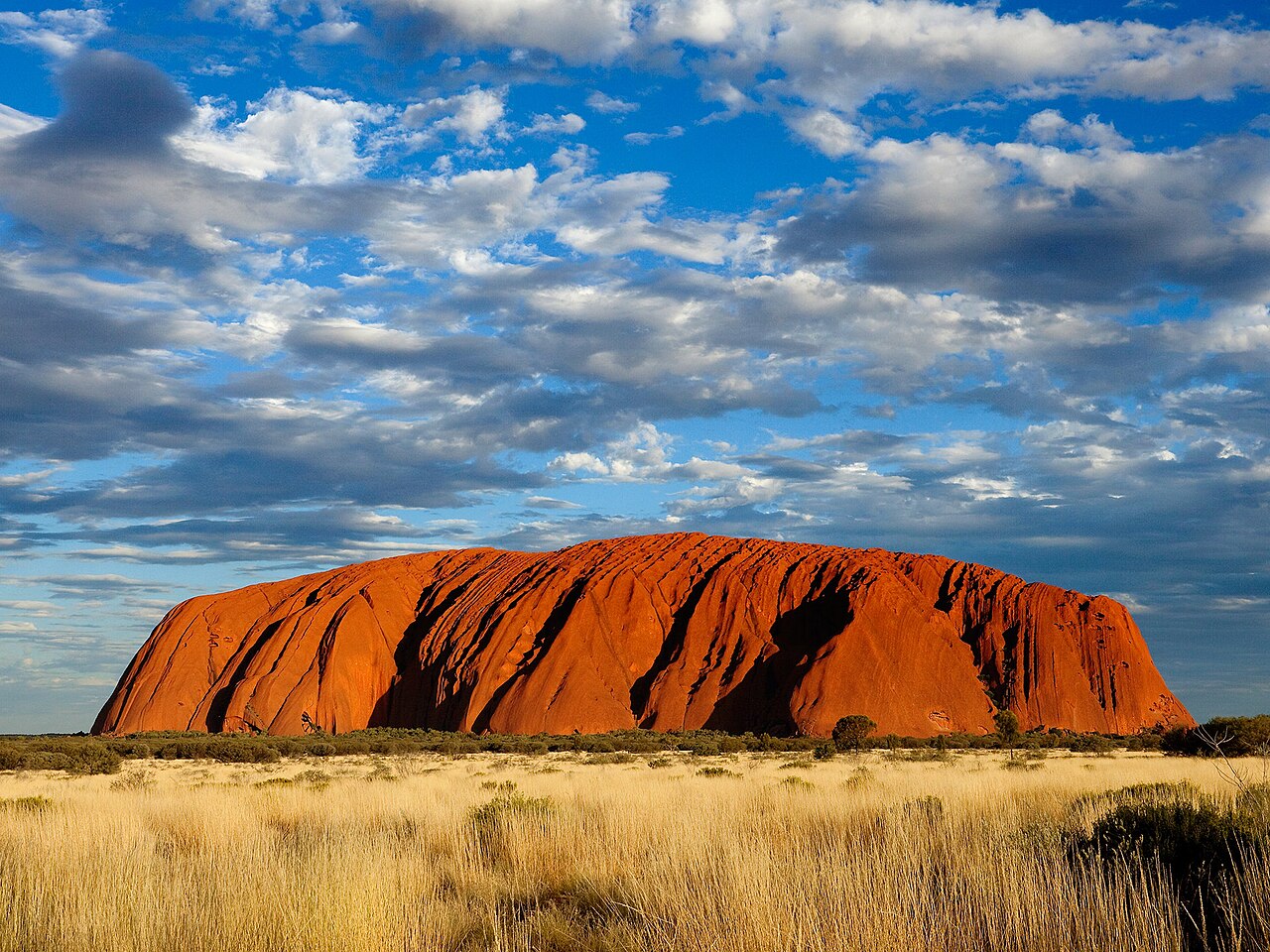
Located at the coordinates -25.34384346, 131.0344062, this iconic site is a massive sandstone monolith situated in the heart of the Northern Territory of Australia. Uluru, also known as Ayers Rock, rises dramatically from the surrounding flat desert landscape, reaching a height of 348 meters (1,142 feet) and measuring approximately 9.4 kilometers (5.8 miles) in circumference. It is renowned for its striking color changes at different times of the day, particularly at sunrise and sunset, when it can appear to glow in shades of red and orange. The geological composition of Uluru consists primarily of arkose, a coarse-grained sandstone, which is estimated to be around 600 million years old.
Why Visit
- Witness the breathtaking color transformations of the monolith during sunrise and sunset.
- Explore the sacred Aboriginal sites that surround Uluru, rich in history and cultural significance.
- Engage with local Anangu culture through guided tours and storytelling.
- Enjoy the diverse flora and fauna of the surrounding Uluru-Kata Tjuta National Park.
- Participate in stargazing opportunities, where the clear desert skies reveal a brilliant array of stars.
Visitor Experience
Visitors to this area can engage in a variety of activities that promote a deeper understanding of the landscape and its significance. Walking trails are available for those interested in exploring the base of Uluru, providing opportunities to observe its unique geological features up close. The Mala Walk, one of the most popular trails, offers guided tours led by Anangu traditional owners, who share insights into their culture, stories, and the environment. The Cultural Centre nearby serves as an educational hub, where visitors can learn more about the history and significance of Uluru to the Anangu people. The peaceful desert surroundings contribute to a reflective atmosphere, encouraging visitors to appreciate the natural beauty and profound cultural heritage of the area.
Travel Tips
When planning a visit, it is advisable to check the weather conditions, as temperatures can vary significantly between day and night. Wearing appropriate clothing and sun protection is essential, particularly during the hotter months. Respect for the cultural significance of Uluru is paramount; visitors are encouraged to follow guidelines established by the Anangu people, including refraining from climbing the rock. Staying hydrated is crucial, and carrying water during walks is recommended. For a more enriching experience, consider participating in ranger-led activities or cultural experiences offered in the area.
Nearby Places
Uluru is part of the Uluru-Kata Tjuta National Park, which also includes Kata Tjuta (The Olgas), a group of large, domed rock formations located approximately 50 kilometers (31 miles) to the west. The park is home to diverse landscapes, including desert woodlands and grasslands, and offers various walking trails for visitors to explore both Uluru and Kata Tjuta. The nearby town of Yulara serves as the primary access point for visitors to the region, providing facilities and services to support exploration of the park.
See also
Places around this location