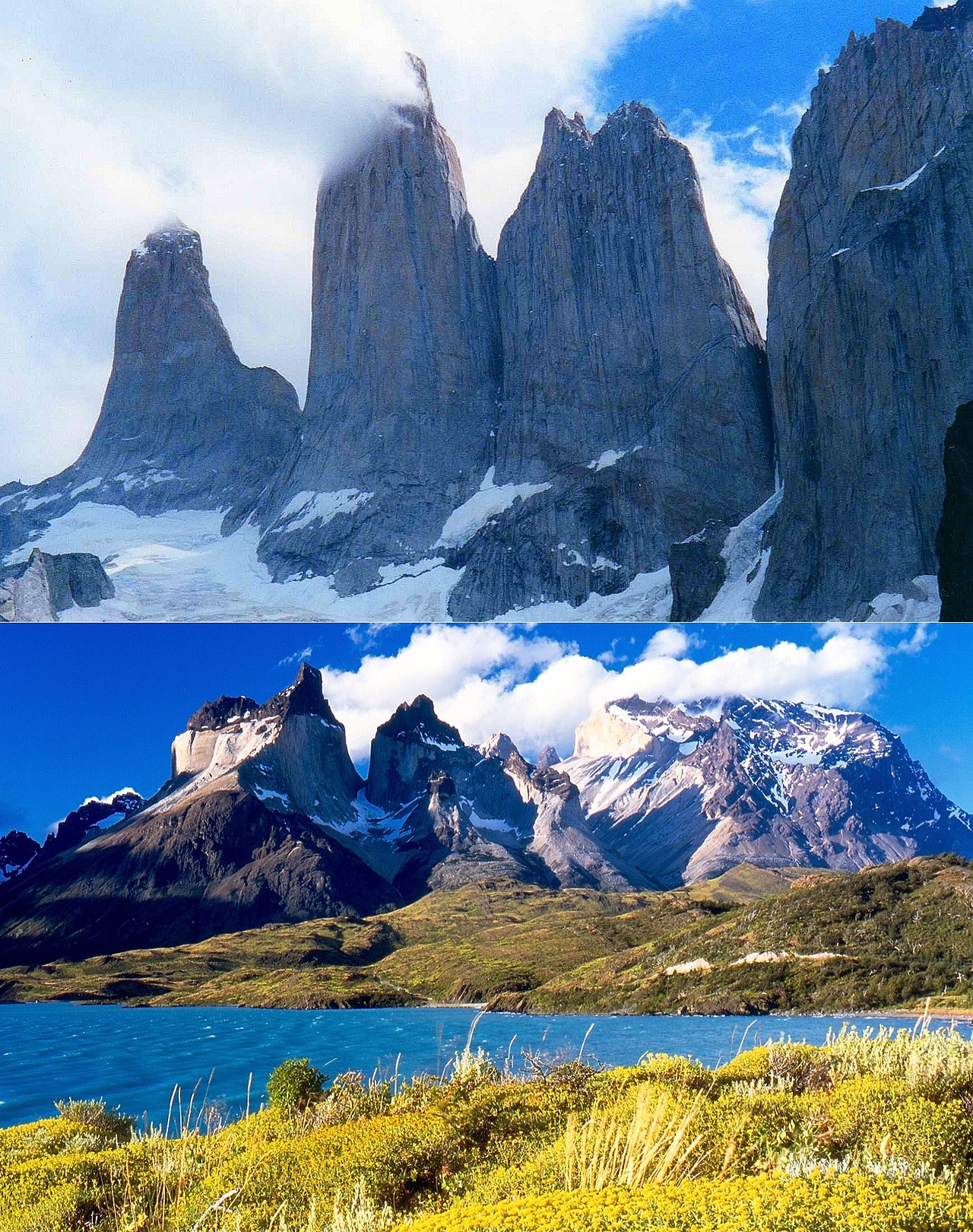
Overview
Located in Chilean Patagonia, Torres del Paine National Park is renowned for its stunning landscapes characterized by rugged mountains, azure lakes, and diverse ecosystems. Established in 1959, the park spans approximately 242,242 hectares and is part of the larger Patagonian wilderness. The park's iconic features include the three granite peaks known as the "Torres," which rise dramatically from the surrounding landscape. The area is home to various flora and fauna, including guanacos, condors, and the elusive puma, making it a vital habitat for wildlife conservation.
Why Visit
- Stunning Scenery: The breathtaking views of the Cuernos del Paine and the Torres themselves provide dramatic backdrops for photography and hiking.
- Diverse Trails: The park offers a range of hiking trails that vary in difficulty, including the famous W Trek and the longer O Circuit, catering to both novice and experienced trekkers.
- Wildlife Watching: Opportunities abound for spotting native species like the Andean flamingo and the endangered South Andean deer, known as huemul.
- Glaciers and Lakes: Glacial lakes such as Lago Pehoé and Lago Grey enhance the park's beauty, with the Grey Glacier being a notable highlight.
- Cultural Significance: The region has a rich indigenous history, with the Tehuelche and Mapuche peoples having lived in the area for centuries, and their cultural heritage is still evident today.
Visitor Experience
Visitors to Torres del Paine National Park can engage in a variety of outdoor activities. Hiking is the most popular, with trails that wind through valleys, alongside rivers, and up to the stunning viewpoints. For those interested in a more leisurely experience, scenic drives and guided tours provide access to some of the park's most beautiful locations. Birdwatching is also a favorite pastime, as the park is home to over 100 species of birds. The park's visitor centers offer educational displays about the local ecology and conservation efforts, enhancing the overall experience for guests.
Travel Tips
When visiting Torres del Paine, it's advisable to prepare for rapidly changing weather conditions. Layered clothing is essential, as temperatures can fluctuate significantly throughout the day. Bring plenty of water and snacks while hiking, as services within the park are limited. Visitors are encouraged to follow Leave No Trace principles to preserve the park's natural beauty. Additionally, securing permits for certain trails in advance is recommended, especially during the peak tourist season from October to April, when the park attracts a significant number of visitors.
Nearby Places
Adjacent to Torres del Paine, the small town of Puerto Natales serves as a common starting point for travelers. It offers restaurants, shops, and cultural attractions, including the Historical Museum of Puerto Natales. Further afield, the Bernardo O'Higgins National Park features stunning glaciers and fjords, while the Milodon Cave Natural Monument showcases impressive prehistoric caves and rock formations. Each of these locations provides additional opportunities to explore the remarkable natural landscape of Patagonia.
See also
Places around this location