Overview
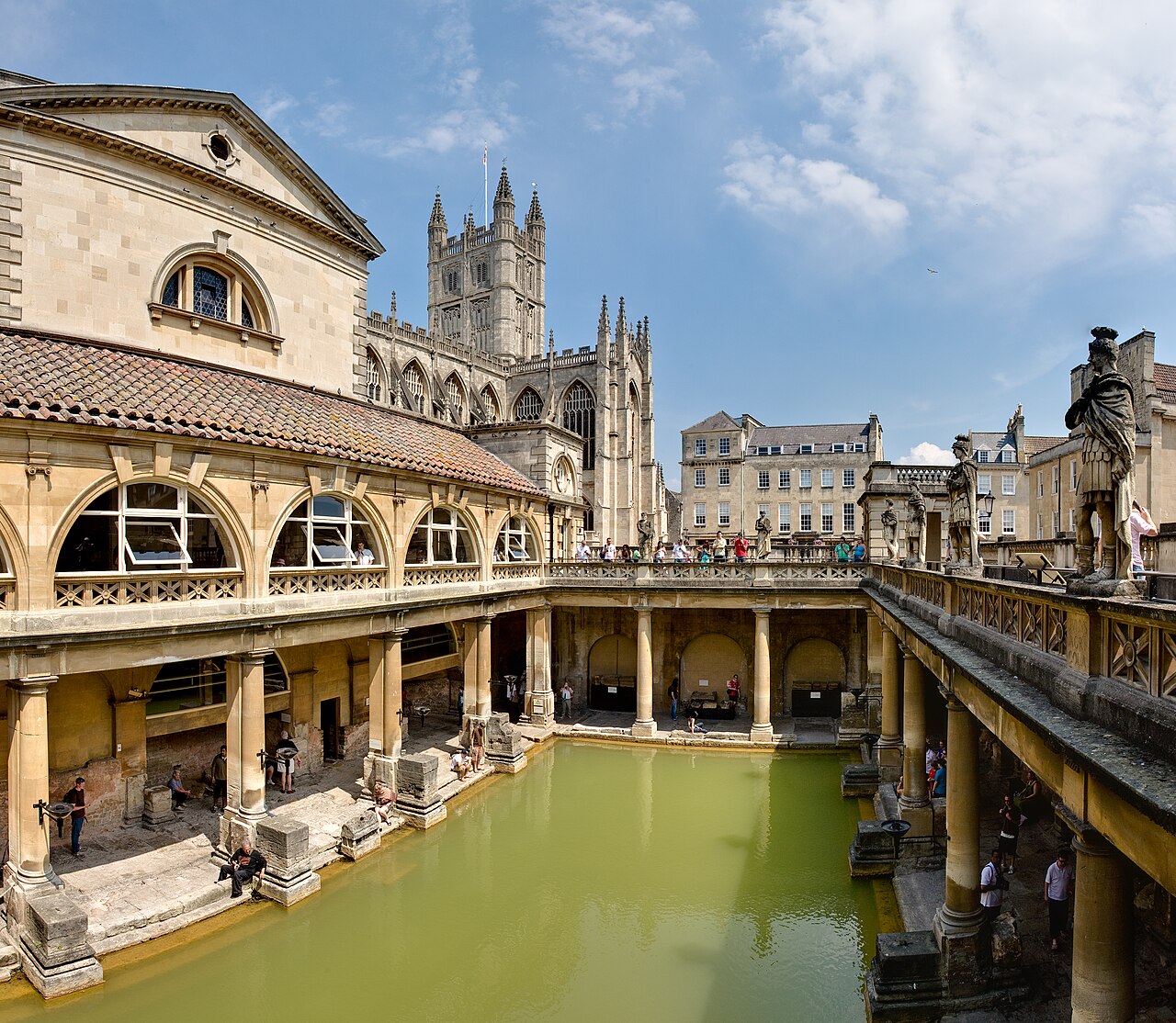
The Roman Baths, located in the city of Bath, England, are a well-preserved ancient bathing complex that dates back to Roman times. This site serves as a testament to Roman engineering and culture, built around the natural hot springs that have drawn visitors for thousands of years. The baths themselves were constructed during the Roman occupation of Britain around AD 60-70 and have been a significant attraction ever since. Today, they provide insights into the social and cultural practices of the Roman era, alongside the architecture that showcases the sophistication of ancient engineering.
Why Visit
- Historical Significance: The Roman Baths are among the best-preserved examples of Roman public bathing in the world, providing a glimpse into ancient Roman life and leisure.
- Architectural Marvel: The site features impressive structures such as the Great Bath, the Temple of Sulis Minerva, and intricate mosaics, demonstrating advanced Roman construction techniques.
- Natural Hot Springs: Visitors can witness the natural thermal spring that feeds the baths, maintaining a temperature of around 46°C (115°F).
- Interactive Exhibits: The museum houses various artifacts, including coins, jewelry, and offerings, enhancing the understanding of the rituals associated with the baths.
- Guided Tours: Expert-led tours provide in-depth knowledge about the site's history, architecture, and cultural significance, enriching the visitor experience.
Visitor Experience
Walking through the Roman Baths, visitors can explore multiple levels of the site, including the impressive Great Bath surrounded by grand columns and terraces. The atmosphere is steeped in history, with informative displays that detail the origins and use of the baths. The site also features a museum that showcases a variety of archaeological finds, allowing guests to connect with the past. Visitors can also enjoy the serene environment of the hot springs, albeit from a distance, as the actual bathing is no longer permitted. The combination of historical artifacts and well-preserved architecture creates a captivating experience for anyone interested in Roman history.
Travel Tips
To make the most of your visit to the Roman Baths, consider arriving early in the day to avoid peak crowds. Allocate at least two hours to fully appreciate the site and its exhibits. Audio guides are often available and can provide additional context to the various sections of the baths. Photography is allowed in many areas, but be mindful of signs indicating where it may not be permitted. Additionally, wear comfortable shoes, as the site involves some walking and standing. If you're interested in a deeper understanding of the history, check for any special exhibitions or talks that may be scheduled during your visit.
Nearby Places
The Roman Baths are situated in the heart of Bath, making it easy to explore other nearby attractions. Just a short walk away is the Bath Abbey, noted for its stunning Gothic architecture and beautiful stained glass windows. The Pulteney Bridge, an architectural gem, offers picturesque views along the River Avon. Additionally, the Jane Austen Centre provides insights into the life of the famous author, who spent time in Bath. For those interested in outdoor spaces, the Royal Victoria Park, with its expansive gardens and views of the city, is also within easy reach.
See also
Places around this location