Overview
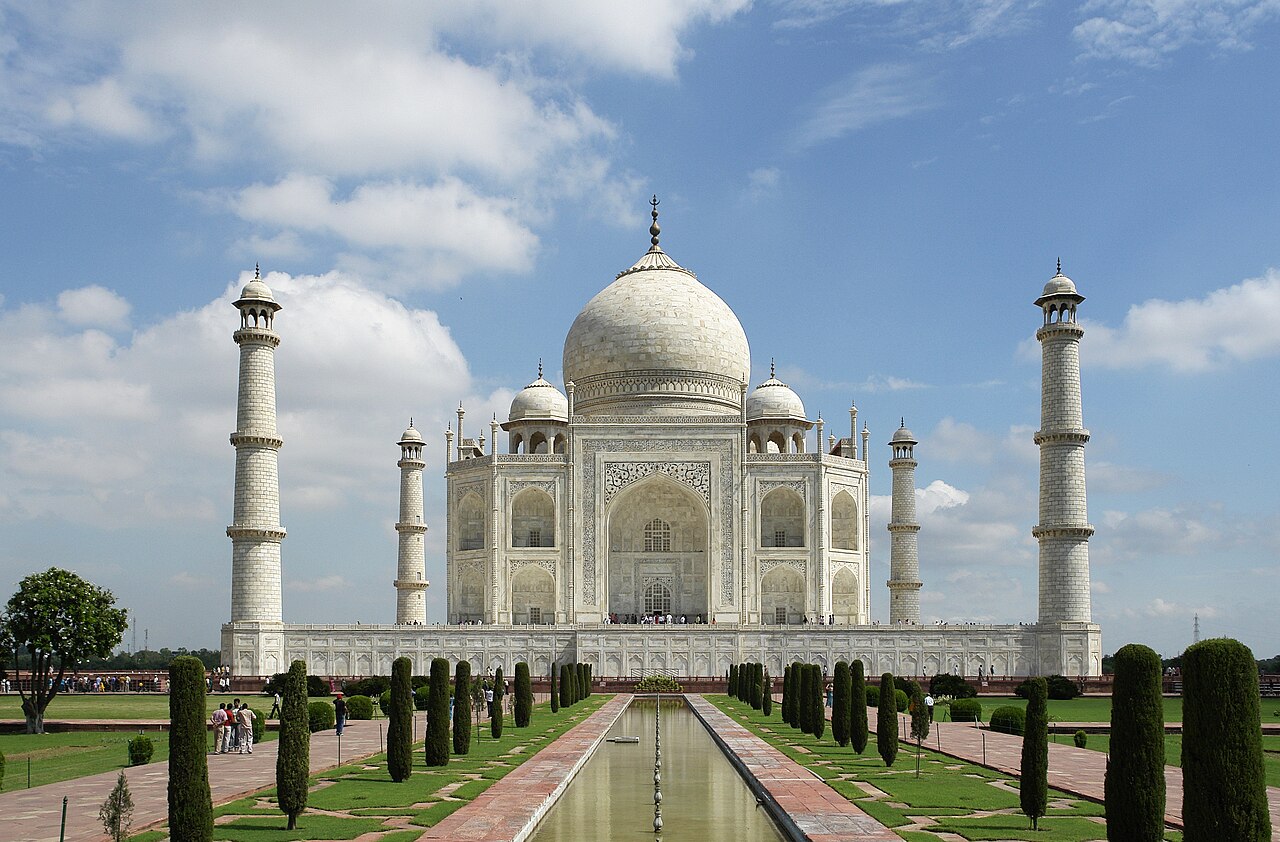
The Taj Mahal, located at coordinates 27.17511628, 78.04202118, is a mausoleum situated in the state of Uttar Pradesh, India. It is renowned for its stunning white marble architecture and intricate carvings, embodying the zenith of Mughal architecture. Constructed between 1632 and 1653 under the reign of Emperor Shah Jahan, the structure was built in memory of his favorite wife, Mumtaz Mahal. The Taj Mahal is recognized as a UNESCO World Heritage Site and is widely regarded as a symbol of love and devotion.
Why Visit
- The architectural grandeur of the Taj Mahal showcases a harmonious blend of Persian, Islamic, and Indian styles.
- Visitors can explore the meticulously landscaped gardens that frame the mausoleum, designed in the traditional Mughal style.
- The changing colors of the marble throughout the day provide a unique visual experience, with hues varying from soft pink to brilliant white under the sun.
- The intricate inlay work using semi-precious stones adds to the aesthetic appeal and reveals the craftsmanship of the artisans of the time.
- The site offers a serene atmosphere, making it a popular spot for reflection and photography.
Visitor Experience
Visitors to the Taj Mahal often begin their experience by entering through the grand gates that lead to the main courtyard. Upon arrival, the impressive view of the mausoleum emerges, framed by lush gardens and reflecting pools. The symmetrical layout of the site enhances its beauty, inviting guests to explore the various features, including the mosque and guest house flanking the main structure. The tranquil ambiance allows for leisurely strolls, and many choose to sit along the pathways to take in the marvel of the architecture. Guided tours are available, providing insights into the history and significance of the Taj Mahal, enhancing the overall experience.
Travel Tips
When planning a visit to the Taj Mahal, it's advisable to arrive early in the morning to avoid crowds and enjoy cooler temperatures. Dress modestly to respect the cultural significance of the site, as it is a place of reverence. Visitors should also consider bringing water and light snacks, as the expansive grounds may require some time to explore. Photography is permitted, but certain areas may have restrictions, so it's best to check in advance. Lastly, be prepared for security checks, which may take some time, and ensure you have the necessary identification on hand.
Nearby Places
The Taj Mahal is situated near several other notable landmarks, including the Agra Fort, a UNESCO World Heritage Site known for its impressive red sandstone architecture and rich history. Additionally, the Itimad-ud-Daulah's Tomb, often referred to as the "Baby Taj," is a short distance away and showcases exquisite marble work. Visitors can also explore the Mehtab Bagh, a garden complex across the Yamuna River that offers a different perspective of the Taj Mahal, particularly at sunset. These nearby attractions complement a visit to the mausoleum, enriching the overall cultural experience of the region.
See also
Places around this location