Overview
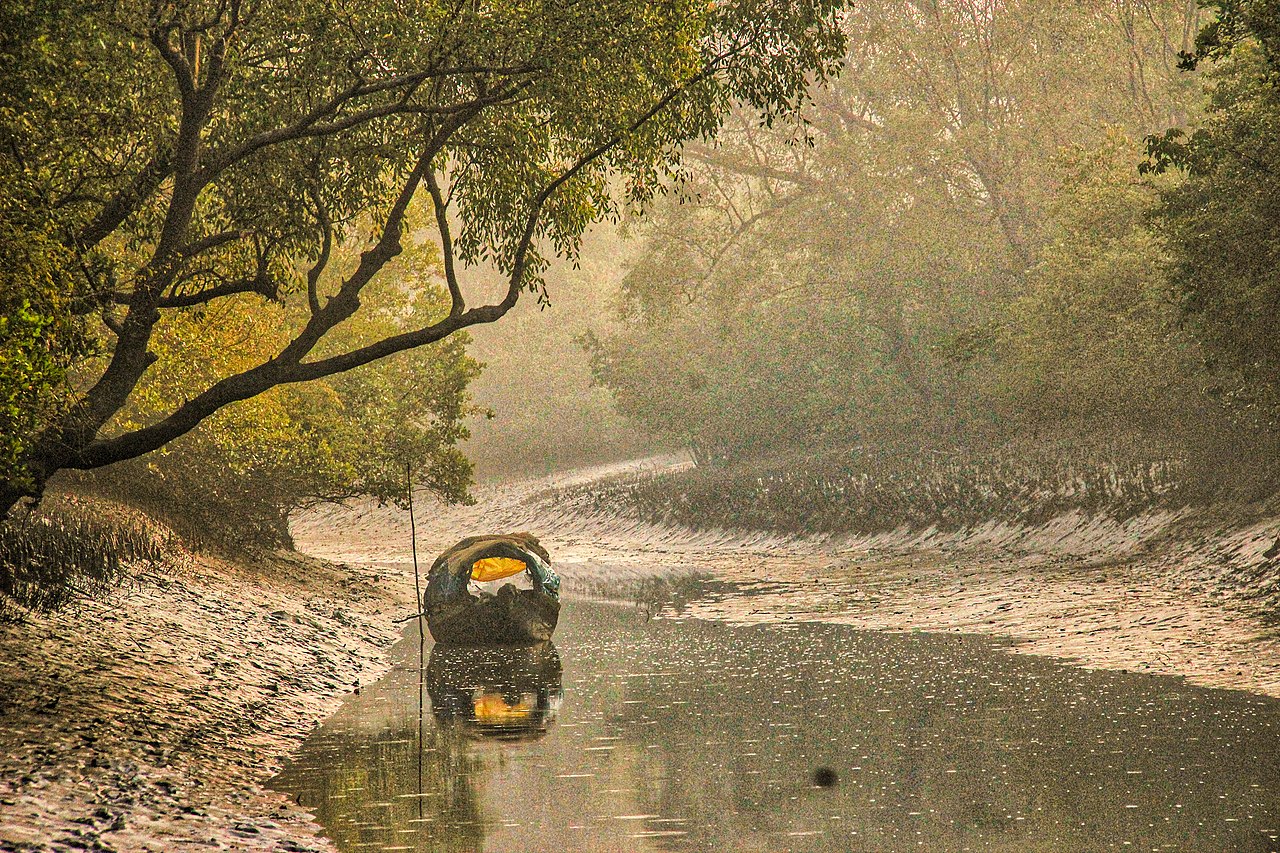
The Sundarbans, located at coordinates 22.1725° N, 89.0610° E, is a vast mangrove forest situated in the delta region of the Padma, Meghna, and Brahmaputra river basins. This UNESCO World Heritage Site spans across India and Bangladesh, with the largest portion found in the latter. Renowned for its rich biodiversity, the Sundarbans is home to the famous Bengal tiger, which has adapted to the unique estuarine environment. The region covers approximately 10,000 square kilometers and features a complex network of tidal waterways, mudflats, and small islands, creating a distinctive ecosystem that supports a variety of wildlife.
Why Visit
- Biodiversity: The Sundarbans is one of the largest mangrove forests in the world, housing numerous species, including the endangered Bengal tiger, saltwater crocodiles, and various bird species.
- Unique Ecosystem: The interplay of freshwater and saltwater in the delta creates a unique habitat, supporting a diverse range of flora and fauna.
- Cultural Heritage: The region is inhabited by several communities whose lifestyles are intricately linked to the land and water, showcasing a blend of traditions and practices.
- Eco-Tourism Opportunities: Visitors can engage in eco-friendly tours and wildlife observations, promoting conservation and awareness.
- Scenic Beauty: The intricate waterways and lush greenery offer stunning landscapes, perfect for photography and nature appreciation.
Visitor Experience
Exploring the Sundarbans typically involves boat rides through its intricate waterways, providing a unique vantage point to observe wildlife in their natural habitat. Guided tours often include knowledgeable local guides who can share insights into the ecology and conservation efforts in the region. Birdwatching is particularly rewarding, with species such as the kingfisher and the oriental darter frequently spotted. The experience is enhanced by the tranquil ambiance of the mangroves, where the sounds of nature create a serene atmosphere. Visitors may also encounter local fishermen and see traditional fishing methods still in use today.
Travel Tips
When visiting the Sundarbans, it is advisable to wear comfortable clothing suitable for humid conditions and sturdy footwear for potential wet areas. Mosquito repellent is essential, as the region is home to various insects. Hydration is vital, especially during warmer months. Respect local wildlife; maintaining a safe distance from animals, particularly the Bengal tiger, is crucial for both personal safety and the animals' well-being. Additionally, engaging with local communities can enhance understanding of the region's cultural heritage, but it is important to do so respectfully and responsibly.
Nearby Places
Adjacent to the Sundarbans is the city of Khulna, which serves as a gateway to the region. This bustling city offers a glimpse into local life and commerce. The historical town of Jessore, known for its cultural sites and traditional handicrafts, is also within reach. The nearby Bagerhat district features the Sixty Dome Mosque, a UNESCO World Heritage Site, showcasing exquisite Mughal architecture. Each of these locations adds to the rich tapestry of experiences available for travelers exploring the Sundarbans region.
See also
Places around this location