Overview
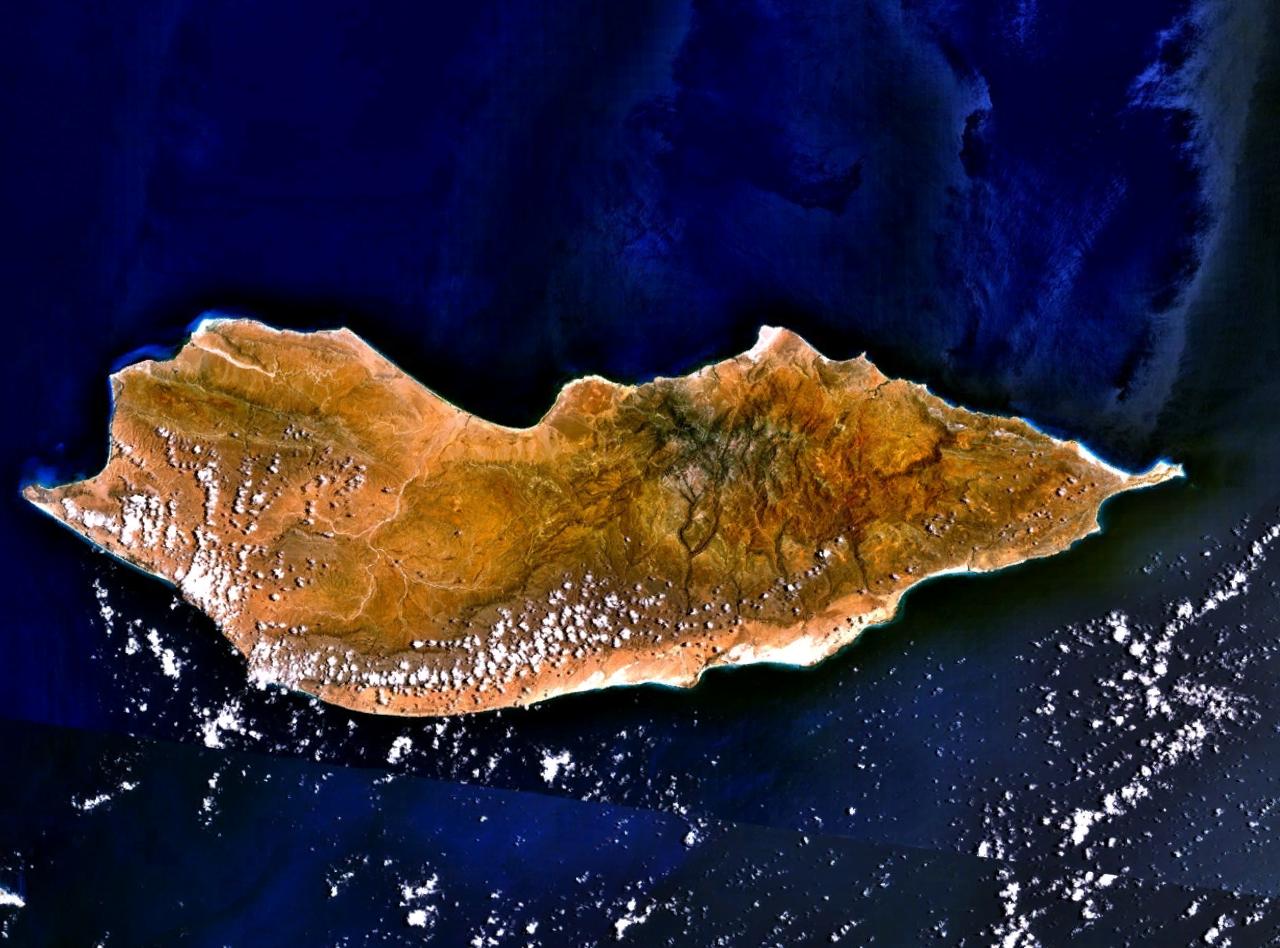
Socotra, located in the Arabian Sea off the coast of Yemen, is an archipelago renowned for its unique biodiversity and striking landscapes. Spanning approximately 4,000 square kilometers, it comprises four islands, with Socotra Island being the largest and most inhabited. The island's isolation has fostered the development of a wide range of endemic species, making it often referred to as the "Galápagos of the Indian Ocean." Its distinctive flora includes the famous Dragon's Blood Tree, characterized by its umbrella-like shape and red sap. The UNESCO World Heritage Site status of Socotra underscores its ecological significance and the need for conservation.
Why Visit
- Explore the unique and diverse ecosystems, home to over 30% of the plant life found nowhere else on Earth.
- Witness the stunning landscapes, featuring rugged mountains, white sandy beaches, and dramatic cliffs.
- Engage with the local Soqotri people, who have a rich cultural heritage, including traditional crafts and music.
- Discover rare species such as the Socotra Cormorant and the Socotra Archangel, both of which are endemic to the region.
- Experience the unique geological formations, including limestone caves and the Haghier Mountains.
Visitor Experience
The experience on Socotra is unlike any other, with opportunities for hiking, bird watching, and exploring its unique flora and fauna. Visitors often embark on guided tours that highlight the island's natural wonders, such as the otherworldly landscapes of the Delel Valley and the sandy shores of Aomak Beach. Engaging with the local communities provides insight into the traditional lifestyles that have persisted for centuries. The island offers a serene atmosphere, ideal for those seeking to escape the hustle and bustle of modern life, while also providing a unique chance to connect with nature in its most unadulterated form.
Travel Tips
Travelers should consider the best times to visit, with the period from October to April generally offering the most pleasant weather. Due to its remote location, visitors should prepare for limited infrastructure and amenities. Basic supplies should be stocked up in advance, and a local guide is recommended to navigate the island's terrain and interact with the communities. Respect for local customs and the environment is essential, particularly in areas of ecological significance. It is advisable to stay informed about the current political situation, as travel advisories can vary.
Nearby Places
Adjacent to Socotra are several smaller islands, each with its own unique ecosystems. The islands of Abd al Kuri and Samhah also offer opportunities for exploration and wildlife observation. Additionally, the nearby mainland of Yemen presents rich historical sites, although travel to this region may be subject to restrictions. The Socotra Archipelago’s remote nature means that many visitors may plan for additional time at sea, enjoying the marine biodiversity and the stunning views that surround this isolated paradise.
See also
Places around this location