Overview
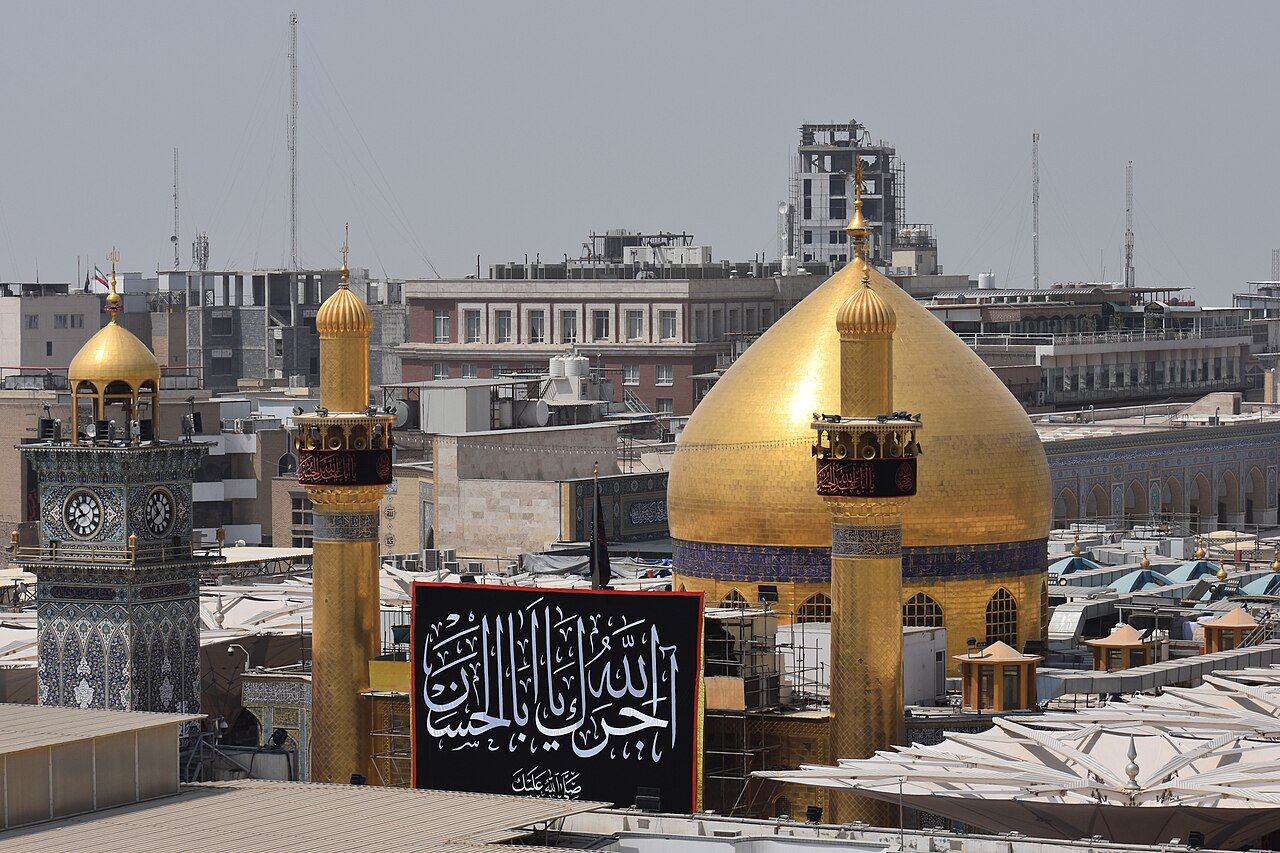
The Shrine of Hazrat Ali is a significant religious site located in Najaf, Iraq, notable for its rich history and architectural grandeur. It is revered as the burial place of Imam Ali, the cousin and son-in-law of the Prophet Muhammad, and the first Imam in Shia Islam. The shrine serves as a focal point for millions of pilgrims each year, who come to pay their respects and seek spiritual solace. The site is adorned with intricate tile work and gold-plated domes, showcasing the artistry of Islamic architecture.
Why Visit
- Historical Significance: As the resting place of Imam Ali, the shrine holds immense importance in both Shia and Sunni traditions, marking it as a key religious landmark.
- Architectural Marvel: The shrine is renowned for its stunning golden dome and elaborate mosaics, which reflect the artistic heritage of Islamic culture.
- Cultural Experience: Visitors can immerse themselves in the local customs and the vibrant atmosphere created by the continuous flow of pilgrims and worshippers.
- Peaceful Environment: Despite being a busy pilgrimage site, the shrine offers moments of tranquility, allowing for introspection and prayer.
- Religious Festivals: The shrine hosts various religious events throughout the year, attracting large crowds and providing a unique glimpse into Islamic traditions.
Visitor Experience
Approaching the shrine, visitors are often struck by the sight of its magnificent dome, which glimmers in the sunlight and is surrounded by lush gardens. Upon entering, one can observe the rituals of devotion performed by pilgrims, which include prayers, recitations, and offerings. The interior is equally captivating, with marble floors and walls adorned with intricate calligraphy and tile work. The atmosphere is imbued with a sense of reverence, and many visitors take the time to reflect on the teachings of Imam Ali. Additionally, the shrine features a library and various halls that hold religious lectures and discussions, further enriching the visitor experience.
Travel Tips
When visiting the Shrine of Hazrat Ali, it is advisable to dress modestly, in line with local customs and religious practices. Be prepared for large crowds, especially during religious holidays, and ensure to respect the solemnity of the site. Photography may be restricted in certain areas, so it is best to inquire beforehand. Engaging with local guides can enhance your understanding of the shrine's significance and history. Lastly, remain aware of your surroundings and follow any posted guidelines to ensure a respectful visit.
Nearby Places
Najaf is home to several other significant sites that complement a visit to the shrine. The Wadi-us-Salaam cemetery, one of the largest graveyards in the world, lies nearby and is an important site for Shia Muslims. Additionally, the Imam Ali House, where Imam Ali is believed to have lived, is also located in the vicinity, offering further historical context. For those interested in local culture, the Najaf Souq provides a glimpse into everyday life, with shops selling traditional crafts and religious artifacts.
See also
Places around this location