Overview
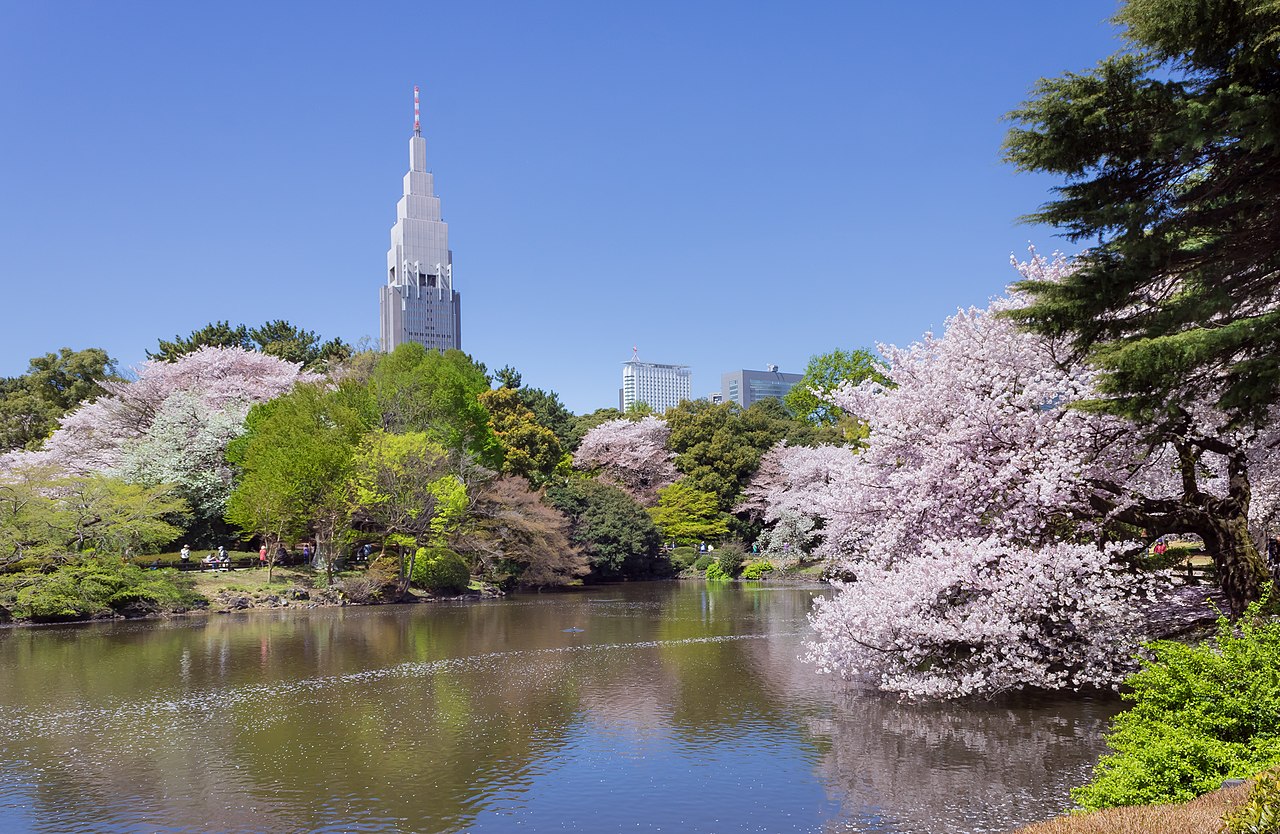
Shinjuku Gyoen National Garden is a sprawling urban park located in the heart of Tokyo, Japan. Covering approximately 58.3 hectares, it was originally established as a garden for the imperial family during the Edo period. The garden features a unique blend of traditional Japanese, English landscape, and French formal garden designs, showcasing a diverse array of flora across its expansive grounds. This oasis within the bustling metropolis is renowned for its seasonal beauty, particularly during cherry blossom season in spring and the vibrant foliage in autumn.
Why Visit
- Diverse Garden Styles: Experience the harmonious integration of various garden styles, including native Japanese elements, English landscaping, and French formal designs.
- Cherry Blossoms: The garden is famous for its cherry blossom trees, attracting visitors annually who come to partake in hanami (flower viewing) during spring.
- Historical Significance: The garden's history extends back to the early 17th century, transitioning from a feudal lord's garden to an imperial garden, and eventually becoming a public park after World War II.
- Wildlife Habitat: Shinjuku Gyoen is home to numerous species of birds and other wildlife, offering a natural retreat for both urban residents and visitors.
- Art and Architecture: Discover the greenhouse, which houses tropical and subtropical plants, along with a traditional tea house where visitors can experience a tea ceremony.
Visitor Experience
Visitors to Shinjuku Gyoen National Garden can enjoy leisurely strolls along its well-maintained paths, with each season presenting a unique visual feast. The park’s layout encourages exploration, with quiet nooks and expansive lawns perfect for picnics. The garden features several ponds, where the reflection of cherry blossoms in the water creates picturesque scenes. Guided tours and informational signage provide insights into the various plant species and historical aspects of the garden. Amenities such as restrooms and a café are available, enhancing the overall experience for visitors seeking a tranquil escape from the city’s hustle and bustle.
Travel Tips
When visiting, it is advisable to wear comfortable walking shoes due to the park’s large size and diverse terrain. The best time to visit for cherry blossoms is typically late March to early April, while autumn foliage peaks around late November. Early mornings or weekdays are less crowded, offering a more serene experience. Bring a camera to capture the stunning landscapes, but be respectful of the garden's rules regarding photography. Ensure to check the garden's opening hours and any seasonal events for a more enriching visit.
Nearby Places
Adjacent to Shinjuku Gyoen, visitors can explore the vibrant neighborhoods of Shinjuku and Harajuku, known for their shopping, dining, and cultural attractions. The Tokyo Metropolitan Government Building, with its free observation decks, offers panoramic views of the city. Additionally, the historic Meiji Shrine, located a short distance away, provides a serene contrast to the urban environment, allowing visitors to delve into Japan's Shinto traditions. The area is also rich in museums and galleries, making it an ideal base for further cultural exploration.
See also
Places around this location