Overview
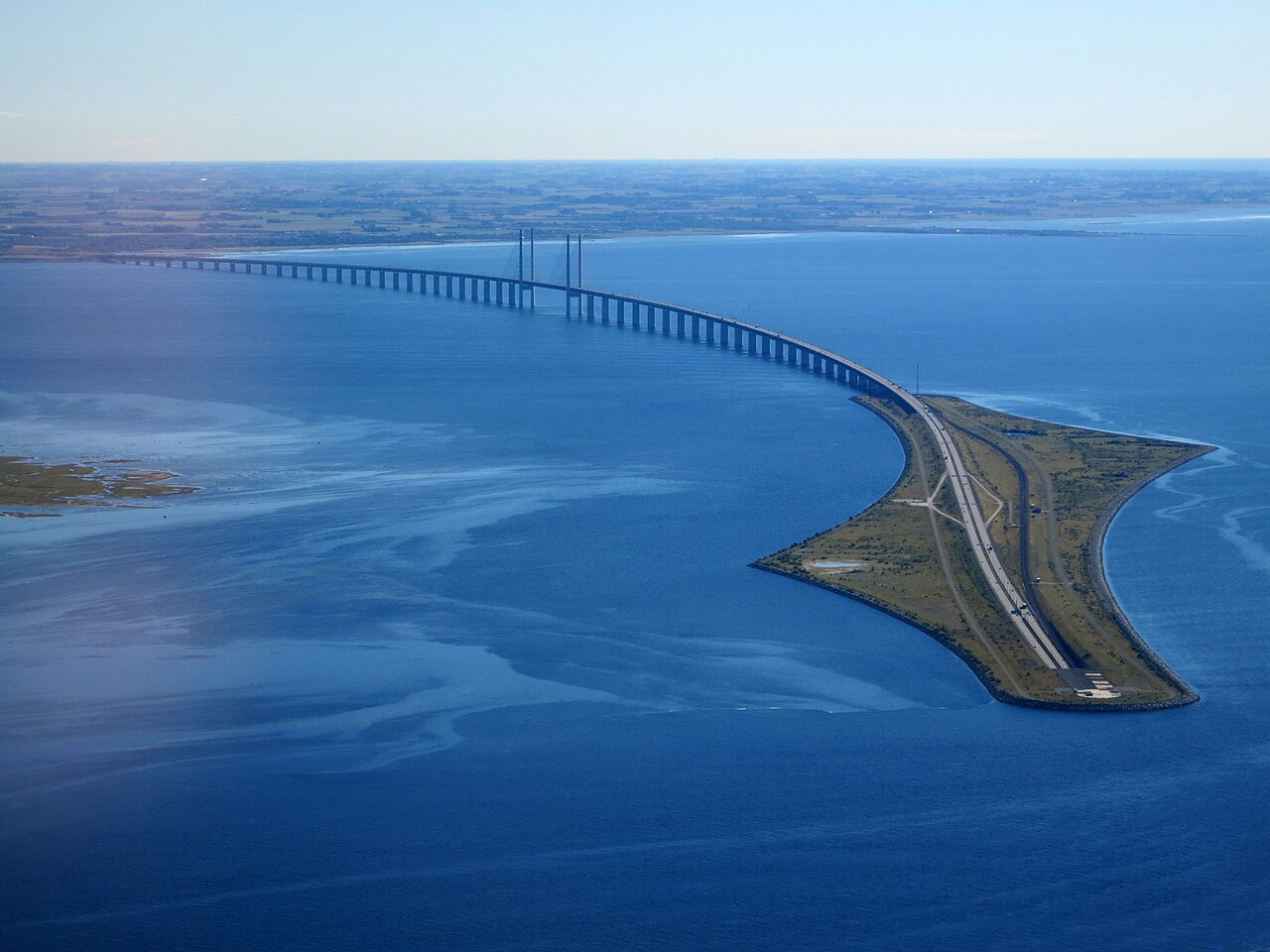
The Øresund Bridge is a remarkable feat of engineering that connects Denmark and Sweden across the Øresund Strait. Spanning approximately 8 kilometers in length, the bridge includes a tunnel section, creating a combined bridge-tunnel system that is about 16 kilometers long. Opened in 2000, this dual-purpose structure accommodates both road and rail traffic, serving as a vital transportation link in the region. The bridge is notable not only for its structural design but also for its significant contribution to the economic and cultural exchanges between the two countries.
Why Visit
- The bridge is an engineering marvel, recognized as one of the longest combined road and rail bridges in Europe.
- It offers stunning views of the Øresund Strait and the cities of Copenhagen and Malmö.
- The design features a cable-stayed section, which is aesthetically striking and functional.
- Visitors can learn about the bridge’s construction and significance at the nearby Øresund Bridge Information Centre.
- The bridge is an important symbol of cooperation between Denmark and Sweden, reflecting the close ties between the two nations.
Visitor Experience
Traveling across the Øresund Bridge is an experience in itself, whether by car or train. The journey provides panoramic views of the surrounding waters and landscapes, particularly beautiful during sunrise or sunset. On the train, passengers can enjoy a smooth ride while observing the transition from urban Copenhagen to the scenic Swedish countryside. The bridge also features several viewpoints where visitors can stop and take photographs, making it a popular spot for both tourists and locals. Educational displays at the Information Centre enhance the experience by providing insights into the challenges faced during construction and the bridge's impact on regional connectivity.
Travel Tips
When planning a visit, consider the time of day for your journey across the bridge to maximize your experience with optimal lighting for photography. If traveling by car, be aware of the traffic patterns, especially during peak hours, as the bridge can become congested. For those interested in learning more about the bridge’s history, a stop at the Information Centre, located near the bridge’s entrance, is highly recommended. Additionally, check local weather conditions, as fog can sometimes obscure visibility, affecting the scenic views. Lastly, ensure you have the appropriate identification when crossing the border between Denmark and Sweden.
Nearby Places
Both Copenhagen and Malmö offer a wealth of attractions within easy reach of the Øresund Bridge. In Copenhagen, the iconic Nyhavn waterfront, the historic Tivoli Gardens, and the Little Mermaid statue are popular destinations. On the Swedish side, Malmö features the Turning Torso, a modern architectural landmark, and the picturesque Malmö Castle. The nearby coastal town of Dragør in Denmark is also worth a visit for its charming harbor and well-preserved 18th-century buildings. Each of these locations enhances the overall experience of crossing the Øresund Bridge, allowing visitors to explore the rich cultural heritage of both countries.
See also
Places around this location