Overview
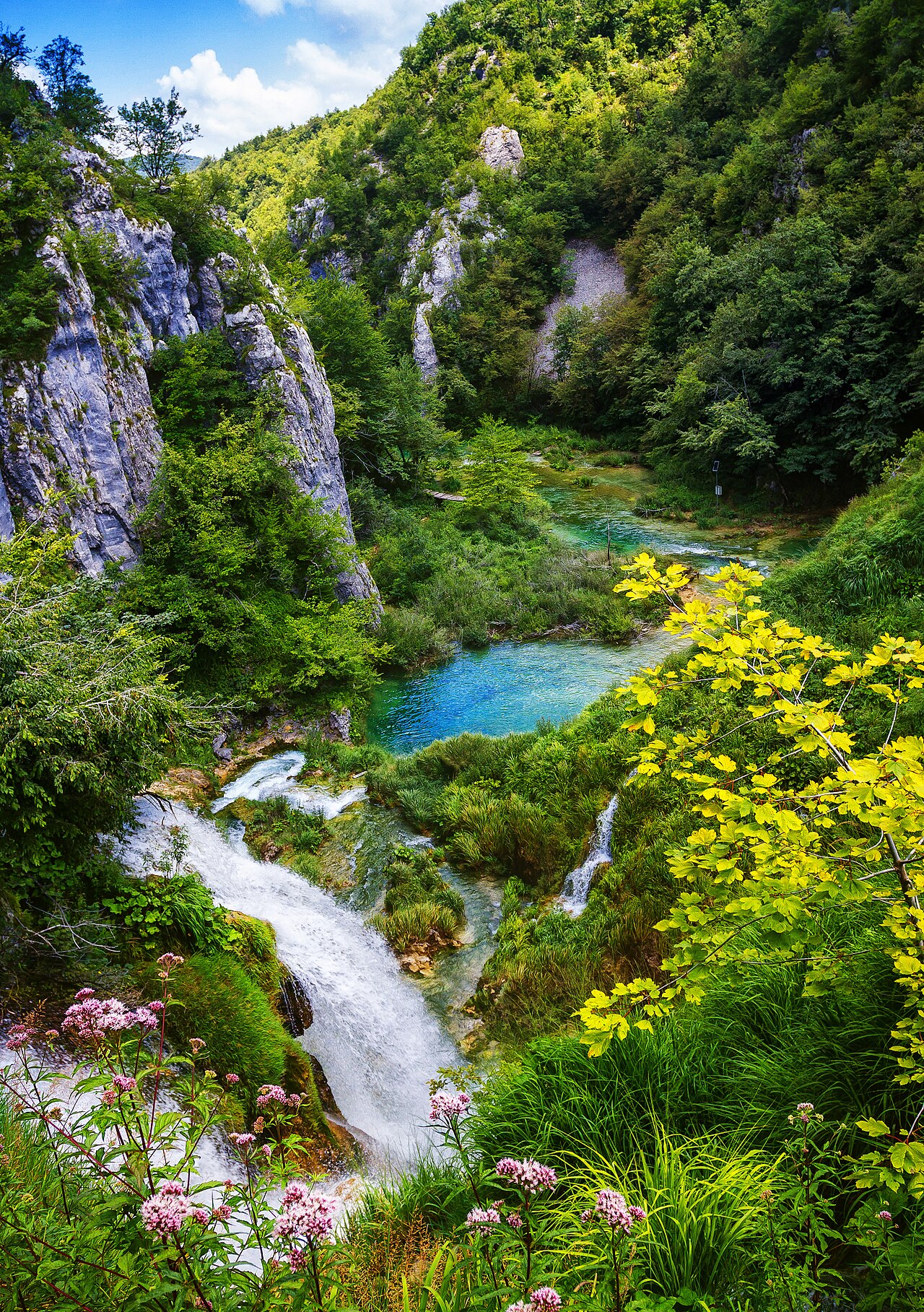
Plitvice Lakes National Park, located in Croatia, is renowned for its cascading lakes and rich biodiversity. Established in 1949, it is the oldest national park in the country and a UNESCO World Heritage site since 1979. The park covers an area of approximately 296 square kilometers and contains 16 terraced lakes, interconnected by a series of waterfalls. The lakes are known for their vibrant colors, ranging from azure to green, grey, or blue, depending on the mineral composition and the angle of sunlight. The surrounding area is characterized by dense forests, diverse wildlife, and a variety of plant species.
Why Visit
- The stunning lakes, including the largest, Lake Kozjak, which plays a central role in the park's ecosystem.
- Over 18 kilometers of wooden boardwalks and hiking trails that provide access to different viewpoints and hidden corners of the park.
- A diverse range of flora and fauna, including rare species such as the European brown bear and the lynx.
- The unique karst formations that shape the landscape, resulting in the spectacular waterfalls and lakes.
- Seasonal changes that dramatically alter the park's appearance, from lush greens in spring and summer to vibrant autumn hues.
Visitor Experience
Exploring Plitvice Lakes National Park offers a range of experiences for nature enthusiasts and casual visitors alike. As you navigate the network of trails, the sound of cascading water accompanies you, enhancing the immersive experience of the park. The wooden walkways allow for close encounters with the natural beauty without disturbing the delicate ecosystem. Visitors can observe a variety of wildlife, including birds, deer, and various species of fish, particularly in the clear waters of the lakes. Educational signs along the trails provide insights into the park's geology, flora, and fauna, making it an informative journey as well.
Travel Tips
To make the most of your visit, consider arriving early in the day to avoid crowds, especially during peak tourist seasons. Wear comfortable footwear suitable for walking on uneven terrain and boardwalks. It is also advisable to bring water and snacks, as options within the park may be limited. Photography enthusiasts should bring a camera to capture the breathtaking landscapes, particularly during the late afternoon when the light casts beautiful reflections on the lakes. Be mindful of the park's rules, such as staying on designated paths to protect the natural environment.
Nearby Places
Adjacent to the national park, the small town of Rastoke is notable for its picturesque watermills and waterfalls, providing a glimpse into traditional Croatian life. Further afield, the historic city of Karlovac features baroque architecture and several museums. The nearby town of Slunj serves as a gateway to additional natural attractions, including the beautiful Slunjčica River. Additionally, the northern Velebit National Park offers opportunities for hiking and exploring another facet of Croatia's diverse landscapes.
See also
Places around this location