Overview
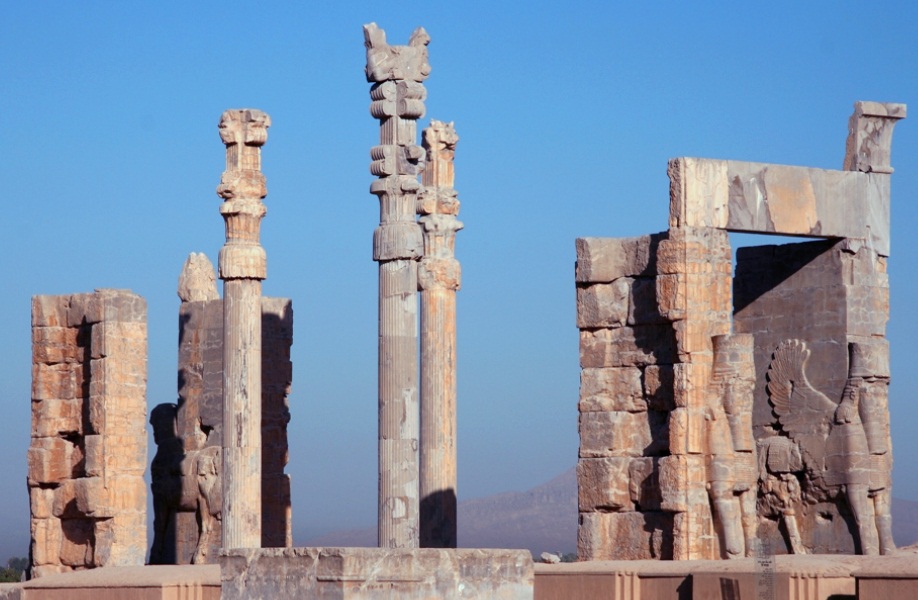
Persepolis, located in present-day Iran, is an ancient ceremonial capital of the Achaemenid Empire, founded by Darius I in 518 BCE. This UNESCO World Heritage Site is situated approximately 60 kilometers northeast of the city of Shiraz, at coordinates 29.93456733, 52.88371445. The site covers an impressive area of about 125,000 square meters and features monumental ruins that reflect the grandeur of one of the most significant empires in history. The architecture of Persepolis is a testament to the artistic and cultural achievements of the Achaemenid dynasty, showcasing intricate relief carvings, massive stone pillars, and grand staircases.
Why Visit
- Architectural Marvels: The site includes the impressive Apadana Palace, known for its towering columns and exquisite friezes depicting scenes of tribute.
- Relief Carvings: Visitors can admire detailed bas-reliefs that illustrate the various peoples and cultures of the Achaemenid Empire, celebrating their diversity and unity.
- Historical Significance: Persepolis is a symbol of the political and cultural achievements of ancient Persia, providing insight into the empire's administration, religion, and daily life.
- Stunning Views: The site is set against the backdrop of the Zagros Mountains, offering breathtaking vistas that enhance the experience of exploring the ruins.
Visitor Experience
Exploring Persepolis offers an immersive journey into the past. Visitors can walk along the grand staircases, which lead to the main terrace, and examine the remnants of various palaces and halls. Guided tours often provide detailed explanations of the site's history, architecture, and significance. The expansive grounds allow for leisurely exploration, where one can appreciate the artistry of the stone carvings up close. The site's layout encourages visitors to reflect on the historical context and the great civilizations that once thrived here, making for a profound cultural experience.
Travel Tips
When visiting Persepolis, it is advisable to wear comfortable shoes, as the terrain can be uneven and requires walking over considerable distances. Early morning or late afternoon visits can provide a more pleasant experience, as temperatures can be quite high during midday. Bringing water and sun protection is essential, given the site's open landscape. Additionally, consider hiring a local guide to enhance your understanding of the intricate details and historical contexts that might not be immediately apparent from the ruins alone.
Nearby Places
In addition to the ruins of Persepolis, travelers can explore the nearby Naqsh-e Rustam, a necropolis containing rock-cut tombs of Achaemenid kings, including that of Darius I. The historic city of Shiraz is also within reach, known for its Persian gardens, poetry, and vibrant bazaars. The tomb of the famous Persian poet Hafez, as well as the Nasir al-Mulk Mosque, are significant cultural sites worth visiting while in the region.
See also
Places around this location