Overview
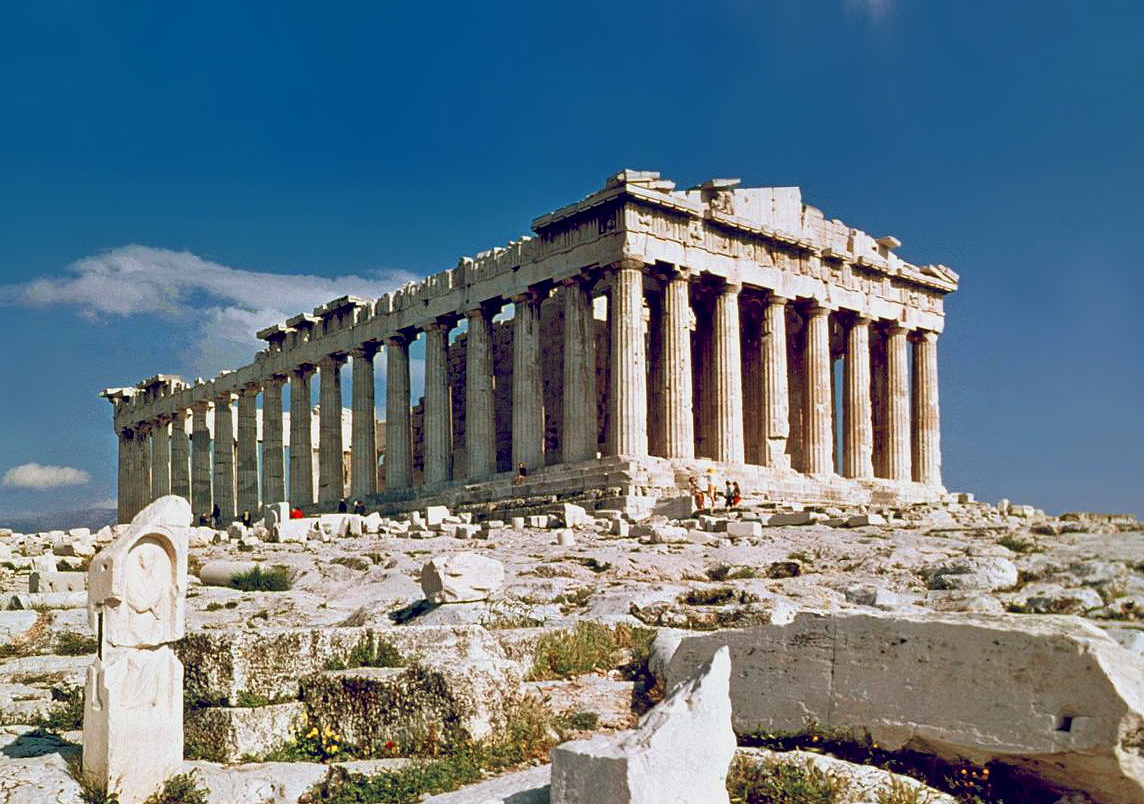
Located at coordinates 37.97155314, 23.72670663, the Parthenon is an enduring symbol of Ancient Greece and a remarkable architectural feat dedicated to the goddess Athena. This temple, constructed in the 5th century BC, stands on the Acropolis of Athens, overlooking the city. Characterized by its Doric columns and intricate sculptures, the Parthenon exemplifies classical Greek architecture and has influenced many structures around the world. The site is not only a testament to ancient engineering but also serves as a cultural icon, reflecting the historical significance of Athens as a center of democracy and philosophy.
Why Visit
- Marvel at the architectural precision of the Doric columns, which are 10.4 meters high and feature a slight curvature, known as entasis, creating an optical illusion of perfection.
- Observe the intricate sculptures, including the famous friezes and the Elgin Marbles, which depict various mythological scenes and historical events.
- Experience the panoramic views of Athens from the Acropolis, providing a unique perspective of the city and its surrounding landscape.
- Learn about the historical significance of the Parthenon, which has served various purposes throughout history, including a Christian church and a mosque.
Visitor Experience
Visitors to the Parthenon can explore the site while appreciating its grandeur and historical context. Walking through the Acropolis, one can engage with various informational displays that illuminate the cultural and historical importance of the temple. The site is often bustling with tourists and researchers, adding to its vibrant atmosphere. While the Parthenon itself is a focal point, the surrounding areas also offer a glimpse into ancient Athenian life, with ruins and remnants that tell the story of the city's evolution over millennia. The experience is enhanced by guided tours that provide deeper insights into the architectural features and historical significance of the monument.
Travel Tips
When planning a visit to the Parthenon, it is advisable to wear comfortable footwear, as the terrain can be uneven. Early morning or late afternoon visits are recommended to avoid the midday heat and crowds. Considering the temple's location on the Acropolis, be prepared for a steep ascent. Bringing water and sunscreen is also wise, as there are limited shaded areas. Additionally, visitors may want to check for any special exhibitions or events occurring at the Acropolis Museum, located nearby, to enrich their understanding of the artifacts associated with the site.
Nearby Places
Adjacent to the Parthenon, the Acropolis Museum showcases an extensive collection of artifacts found at the site, providing context to the historical significance of the temple and its sculptures. Just a short walk from the Acropolis is the Ancient Agora, which was the center of public life in Ancient Athens and features several well-preserved ruins. The Theater of Dionysus, located at the foot of the Acropolis, is another significant site, known as the birthplace of Greek tragedy. These nearby locations complement the experience of visiting the Parthenon and contribute to a deeper understanding of ancient Athenian culture.
See also
Places around this location