Overview
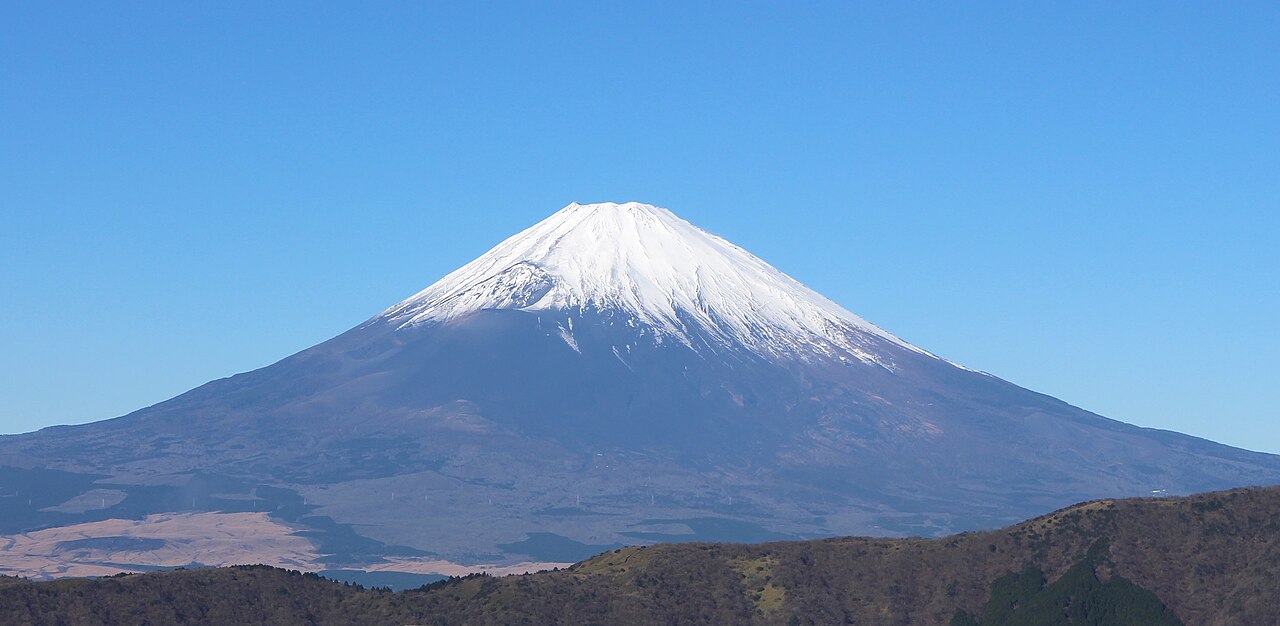
Mount Fuji, located on Honshu Island, is Japan's highest peak, standing at 3,776 meters (12,389 feet). This stratovolcano is an iconic symbol of the nation and has been a source of inspiration for countless artists and poets throughout history. Its near-symmetrical cone shape is a striking feature that dominates the landscape and offers stunning views, particularly when observed from surrounding areas. The mountain is part of the Fuji-Hakone-Izu National Park and was designated a UNESCO World Heritage Site in 2013, recognizing its cultural significance and natural beauty.
Why Visit
- Climbing opportunities: The official climbing season runs from early July to early September, attracting thousands of climbers who seek to reach the summit.
- Cultural sites: The base of Mount Fuji is home to numerous shrines and temples, such as the Fujisan Hongu Sengen Taisha, which honors the mountain as a deity.
- Scenic views: Various viewing points, such as the Fuji Five Lakes area and the Hakone region, provide picturesque landscapes that capture the mountain's majesty.
- Flora and fauna: The surrounding national park features diverse ecosystems, making it a great spot for nature lovers and wildlife enthusiasts.
Visitor Experience
Experiencing Mount Fuji can vary significantly depending on the season and the chosen activities. During the climbing season, the ascent is a popular activity, with several trails leading to the summit. The Yoshida Trail is the most frequently used, offering a well-marked route with facilities along the way. Many climbers start their journey at night to reach the summit in time for sunrise, a phenomenon known as "Goraiko." Outside of the climbing season, visitors can enjoy hiking on the lower trails, which remain accessible year-round, and explore the cultural sites that celebrate the mountain's significance. The area is rich in traditions, and local festivals often highlight the reverence held for this natural wonder.
Travel Tips
When planning a visit, it is essential to consider the weather conditions, as they can change rapidly. Proper gear, including warm clothing, sturdy footwear, and sufficient water, is crucial for a safe experience, especially when climbing. It is also advisable to check the official websites for any climbing restrictions or trail closures. To fully appreciate the cultural aspects, learning a few basic Japanese phrases can enhance interactions with locals. Lastly, visiting during the cherry blossom season in spring or the autumn foliage period can provide additional visual splendor.
Nearby Places
Adjacent to Mount Fuji, the Fuji Five Lakes region offers a stunning collection of lakes, including Lake Kawaguchi, which is renowned for its views of the mountain. The area is also home to various recreational activities, such as boating and fishing. To the south, Hakone is famous for its hot springs and the Hakone Open-Air Museum, which features a unique blend of art and nature. The historic town of Fujiyoshida, located at the mountain's base, provides access to cultural sites and local cuisine, enriching the visitor experience. Additionally, the Gotemba Premium Outlets nearby offer shopping with views of the mountain, combining leisure with scenic enjoyment.
See also
Places around this location