Overview
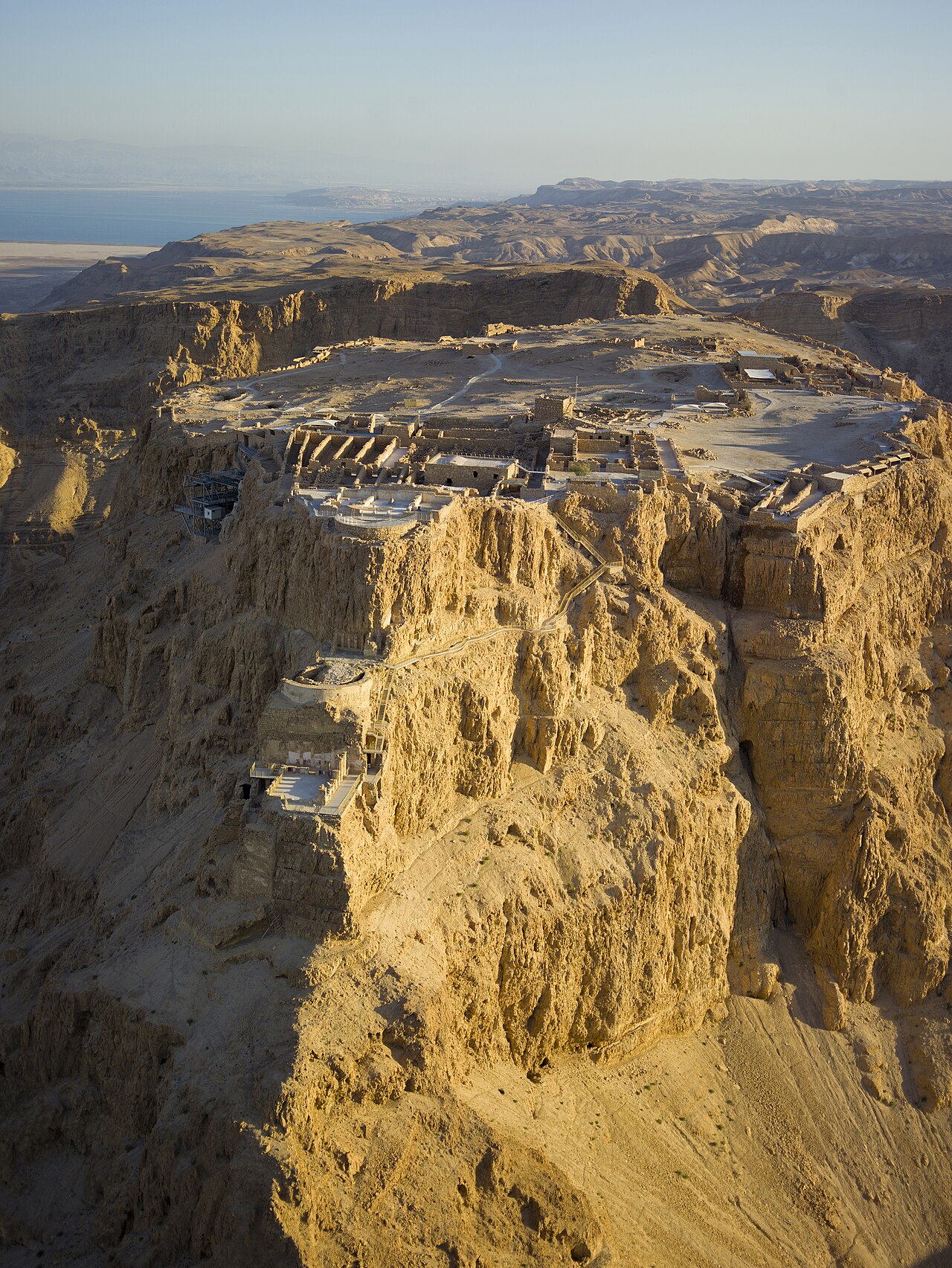
Masada National Park is located in Israel, near the Dead Sea, at the coordinates 31.3143° N, 35.3556° E. This UNESCO World Heritage site is renowned for its historical significance and stunning desert landscape. The site features the ruins of an ancient fortress built by King Herod the Great in the 1st century BCE, perched atop a steep plateau overlooking the surrounding wilderness. Masada stands as a symbol of Jewish heroism, particularly remembered for the dramatic siege by Roman forces in 73-74 CE, which ended with the mass suicide of its defenders.
Why Visit
- Explore the ancient ruins of Herod's palace, including elaborate bathhouses and storied fortifications.
- Witness breathtaking views of the Dead Sea and the Judaean Desert from the summit of the plateau.
- Learn about the history of the Jewish revolt against Rome through well-preserved archaeological remains.
- Experience the unique desert flora and fauna in the surrounding national park area.
- Access the site via a challenging hike known as the Snake Path or via a cable car for a more leisurely approach.
Visitor Experience
The experience at Masada is multifaceted, combining elements of history, archaeology, and natural beauty. Visitors typically begin their journey at the base of the mountain, where interpretive signs offer insights into the site's historical context. The ascent can be made via the Snake Path, a winding trail that takes about 30-60 minutes, depending on fitness levels, or via a cable car that provides a quick and scenic route. Upon reaching the summit, guests can explore the ruins, including the impressive remains of the fortifications, storage rooms, and the famous southern palace. Guided tours are available, providing in-depth narratives of the events that unfolded here during the Jewish-Roman War.
Travel Tips
When visiting Masada, it is advisable to start early in the morning to avoid the midday heat, especially during the summer months. Wearing sturdy shoes is essential due to the uneven terrain of the hiking path. It is also recommended to bring plenty of water and sun protection, as the area can be quite exposed. Consider visiting during the cooler months, from October to April, for a more comfortable experience. Additionally, be mindful of the park's opening hours, as they can vary seasonally, and plan your visit accordingly.
Nearby Places
Masada National Park is in close proximity to several noteworthy attractions. The Dead Sea, famous for its unique saline properties and therapeutic mud, is located just a short drive away. Ein Gedi Nature Reserve, known for its lush oasis and hiking trails, offers a contrasting environment to the arid landscape of Masada. Additionally, the archaeological site of Qumran, where the Dead Sea Scrolls were discovered, is nearby and provides further context to the historical narratives of the region. These sites can enhance a visitor's understanding of the area's rich cultural and natural heritage.
See also
Places around this location