Overview
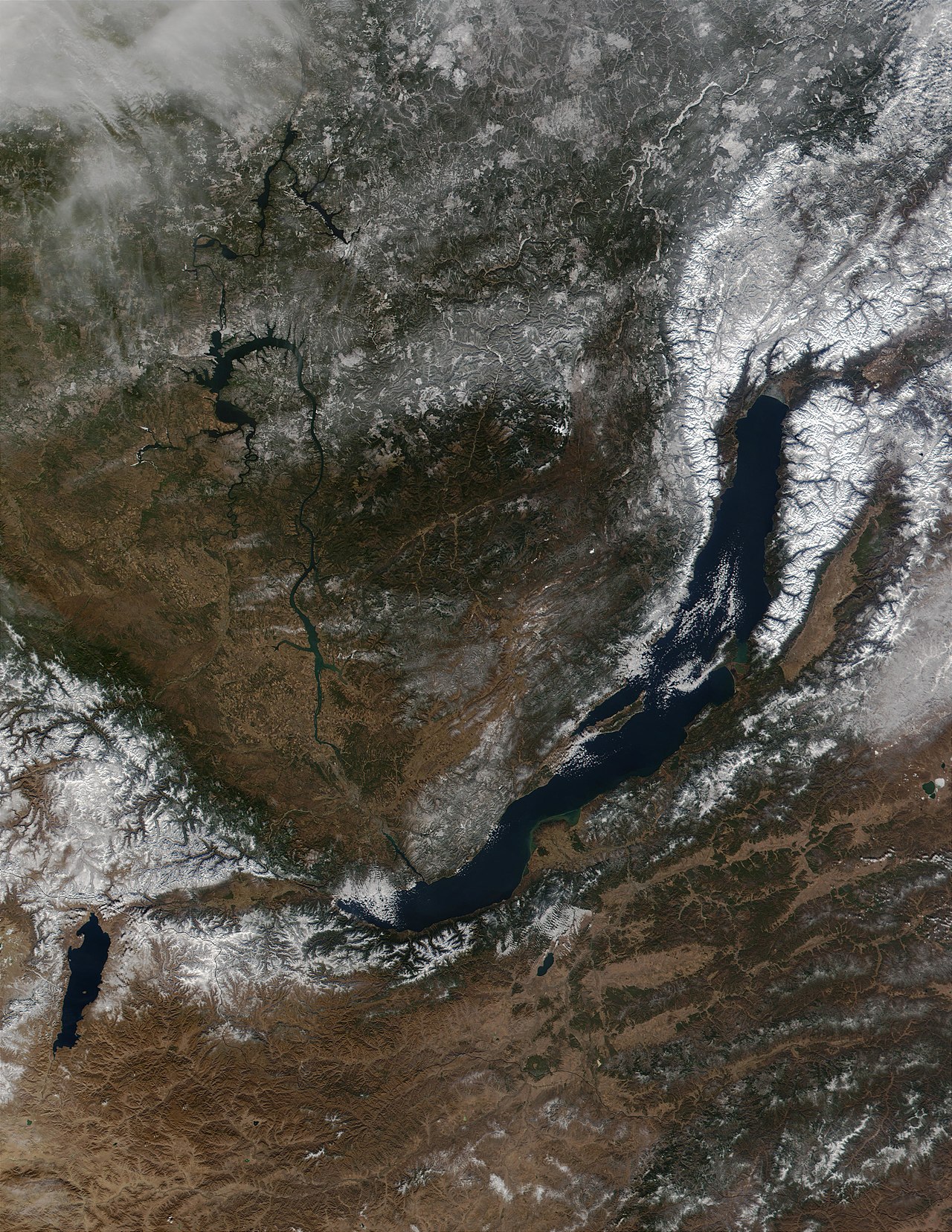
Lake Baikal, located at coordinates 53.12471071, 107.7580806, is the world's deepest and oldest freshwater lake, situated in Siberia, Russia. It reaches depths of more than 1,600 meters (5,250 feet) and is estimated to be around 25 million years old. The lake is a UNESCO World Heritage site, recognized for its unique biodiversity, including species such as the Baikal seal, the only freshwater seal species in the world. The lake's vast area covers approximately 31,500 square kilometers (12,300 square miles), making it the largest freshwater lake by volume, containing about 20% of the unfrozen surface freshwater on the planet.
Why Visit
- Unique Biodiversity: Home to over 1,700 species of plants and animals, 80% of which can be found nowhere else on Earth.
- Cultural Significance: The area is rich in indigenous cultures, including the Buryat people, who have inhabited the region for centuries.
- Stunning Landscapes: The surrounding mountains and diverse ecosystems provide breathtaking views and opportunities for outdoor activities.
- Historical Sites: Numerous museums and monuments nearby offer insights into the region's history and natural environment.
Visitor Experience
Visitors to Lake Baikal can engage in a variety of activities throughout the year. In the warmer months, hiking and biking along the shoreline and nearby trails are popular, offering scenic views of the lake and surrounding landscapes. The summer months also see opportunities for boating, kayaking, and swimming in the lake's clear waters. As winter approaches, the lake freezes over, transforming into a playground for ice skating, snowmobiling, and ice fishing. The local communities often host festivals and events that celebrate the lake's natural beauty and cultural heritage, enriching the overall visitor experience.
Travel Tips
When planning a visit to Lake Baikal, it's important to consider the seasonal variations. The summer months (June to August) offer milder temperatures and lush landscapes, while winter (December to February) can bring extreme cold and snow. Proper clothing is essential for comfort during outdoor activities. If interested in exploring the lake's unique flora and fauna, consider guided tours that provide insights into the ecological significance of the area. Additionally, learning a few phrases in Russian can enhance interactions with local residents, fostering a deeper cultural connection during your visit.
Nearby Places
In addition to the stunning views of Lake Baikal, several notable sites are accessible in the surrounding region. The village of Listvyanka, located on the lake's western shore, offers a variety of cultural and recreational activities, including a local museum dedicated to the lake's ecology. Additionally, the Baikal Nature Reserve surrounds parts of the lake, providing further opportunities for wildlife observation and hiking. The Circum-Baikal Railway, recognized for its scenic routes, runs along the southern shore of the lake, offering a glimpse into the rich natural beauty of the area.
See also
Places around this location