Overview
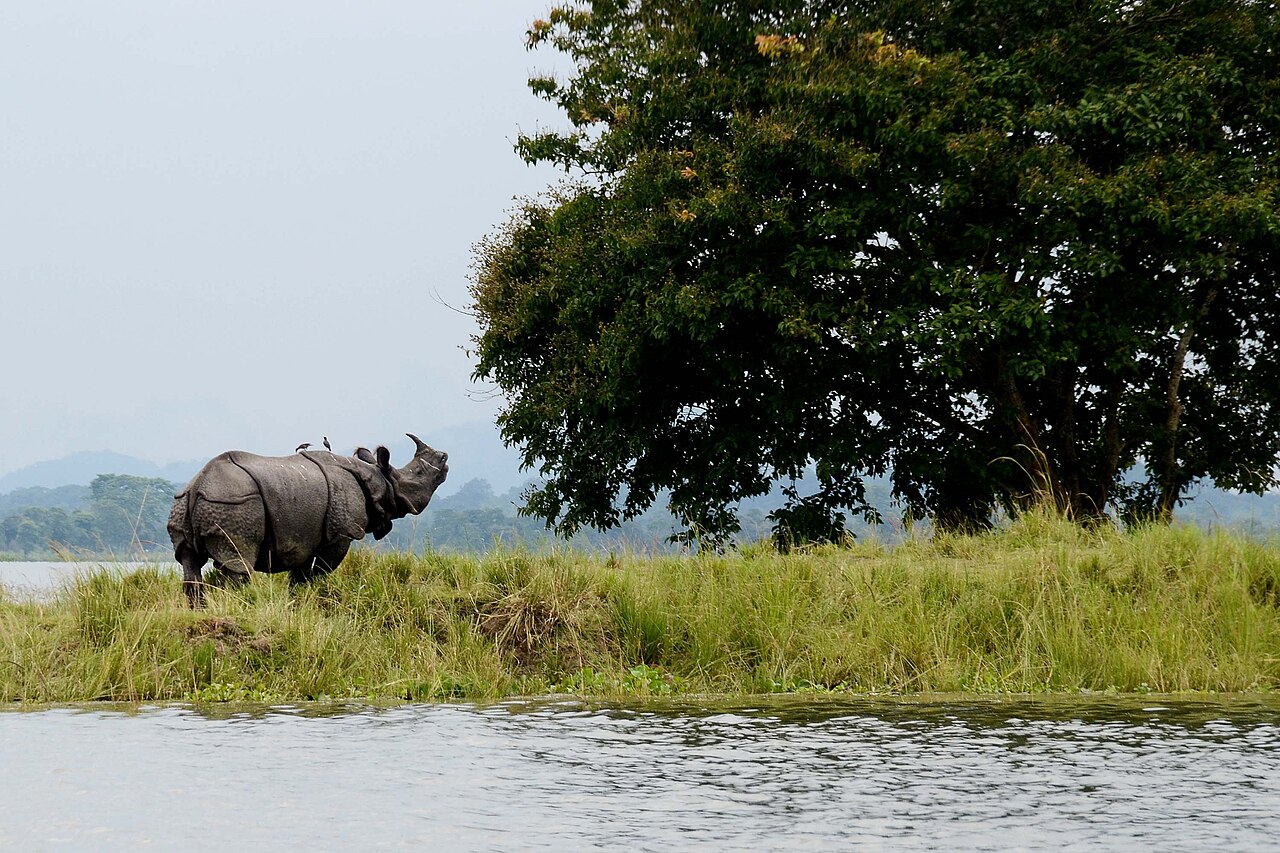
Kaziranga National Park is a UNESCO World Heritage Site located in Assam, India, renowned for its significant population of the Indian one-horned rhinoceros. Established in 1905 as a reserve forest and later designated as a national park in 1974, it spans approximately 430 square kilometers. The park features diverse ecosystems, including grasslands, wetlands, and forests, primarily along the floodplains of the Brahmaputra River. This rich biodiversity supports a variety of wildlife, including elephants, tigers, and numerous bird species, making it a key area for conservation efforts.
Why Visit
- Home to the largest population of Indian one-horned rhinoceroses in the world, providing visitors with unique wildlife viewing opportunities.
- Rich birdlife, with over 480 species recorded, making it a prime destination for birdwatchers.
- Diverse landscapes that include wetlands, grasslands, and dense forests, supporting a wide range of flora and fauna.
- Prominent conservation efforts aimed at protecting endangered species and their habitats.
- Traditional Assamese culture can be experienced through nearby villages, enhancing the visit with local heritage.
Visitor Experience
Visitors to Kaziranga National Park can explore the area through various means, including jeep safaris and elephant rides, which offer close encounters with wildlife in their natural habitats. The park is open for exploration during designated seasons, typically from November to April. The varied topography allows for different experiences, such as navigating through tall elephant grass, crossing small rivers, and observing the park's unique ecosystems. Guided tours provide insights into the flora and fauna, as well as the conservation efforts that are crucial to the area. Night safaris are also available, providing a different perspective of the park's nocturnal wildlife.
Travel Tips
When planning a visit, it is advisable to dress in lightweight, breathable clothing suitable for outdoor activities, and to bring binoculars for wildlife observation. Mosquito repellent is essential, especially during early morning and late afternoon excursions. Visitors should respect park regulations and maintain a safe distance from wildlife to ensure both their safety and that of the animals. Engaging with local guides can enhance the experience, providing valuable knowledge about the ecosystem and history of the park.
Nearby Places
In close proximity to Kaziranga National Park, visitors can explore the small town of Bokakhat, which serves as a gateway to the park. Additionally, the historic town of Jorhat, known for its tea gardens and cultural significance, is a short drive away. The Majuli Island, the world's largest river island, is situated upstream on the Brahmaputra River and is renowned for its vibrant Assamese culture and monasteries. These nearby attractions offer additional opportunities to experience the rich heritage of Assam.
See also
Places around this location