Overview
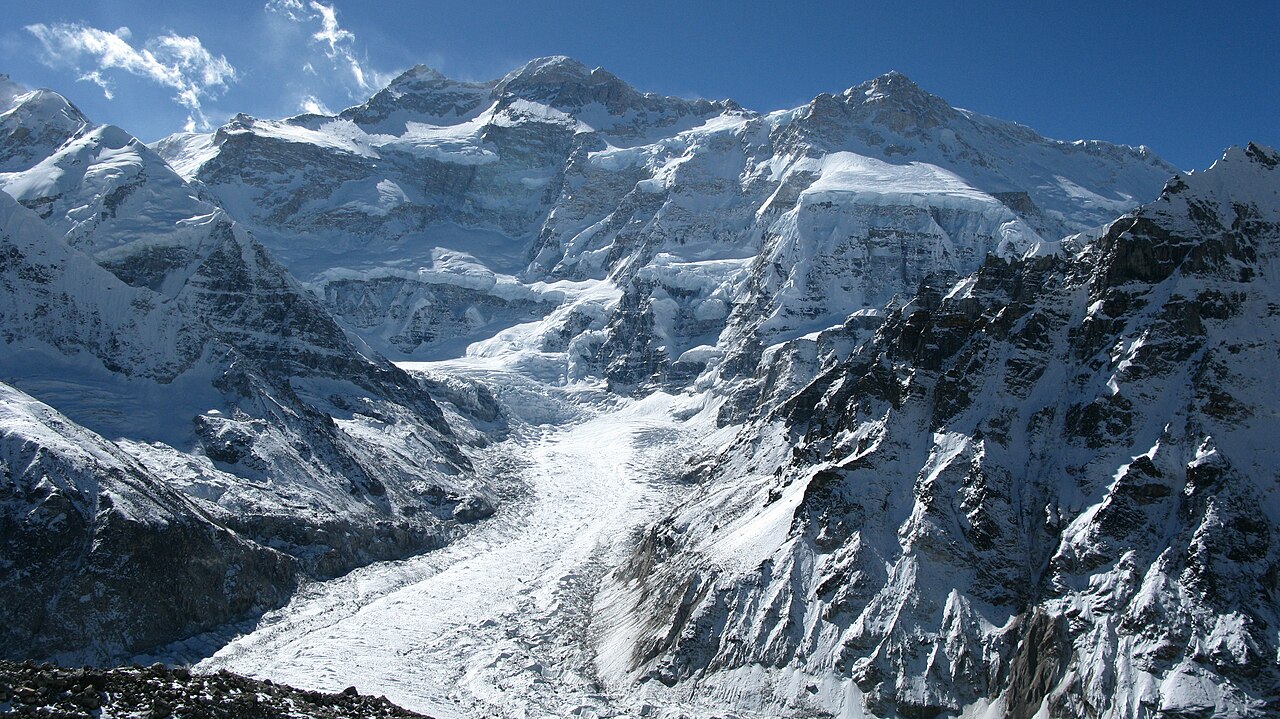
Kangchenjunga, standing at 8,586 meters, is the third highest mountain in the world, located on the border between Nepal and the Indian state of Sikkim. The mountain is revered not only for its towering height but also for its breathtaking natural beauty and rich biodiversity. It is part of the Kangchenjunga National Park, which was designated a UNESCO World Heritage Site in 2016 due to its unique ecosystem and cultural significance.
Why Visit
- The majestic views of the mountain and its surrounding peaks, particularly at sunrise and sunset, when the snow-capped summits are bathed in hues of orange and pink.
- The rich flora and fauna of the Kangchenjunga National Park, which includes rare species such as the Red Panda and the Himalayan Black Bear.
- The opportunity to explore the diverse cultural heritage of the region, including the traditions of the local Lepcha, Bhutia, and Nepali communities.
- The challenging trekking routes that cater to both experienced trekkers and those seeking a less strenuous experience, providing various perspectives of the mountain.
- The chance to witness the unique natural phenomena such as the glacial lakes and deep valleys that surround the peak.
Visitor Experience
Visiting this region offers a range of experiences, from trekking through lush forests to engaging with local cultures. The base camp trek is particularly popular, allowing trekkers to immerse themselves in the stunning landscapes while experiencing the traditional lifestyles of mountain communities. Along the trails, visitors can encounter ancient monasteries and witness local festivals, which often include vibrant dances and rituals. The diverse terrain, ranging from subtropical forests to alpine meadows, provides an enriching experience for nature enthusiasts and photographers alike. The air is crisp and invigorating, enhancing the overall experience of exploring one of the most pristine environments on Earth.
Travel Tips
Travelers should be prepared for varying weather conditions, as temperatures can fluctuate dramatically. The best times to visit are during the pre-monsoon months of April to June and post-monsoon months of September to November. Proper acclimatization is crucial for high-altitude trekking; thus, gradual ascent is recommended. Carrying sufficient water, high-energy snacks, and appropriate gear, including trekking poles and layered clothing, will enhance comfort during treks. It is also advisable to respect local customs and traditions, particularly when visiting monasteries and interacting with communities.
Nearby Places
The region surrounding Kangchenjunga is rich in attractions. The town of Pelling, located in Sikkim, offers panoramic views of the mountain and is a hub for trekkers. The Yuksom area, known as the gateway to Kangchenjunga, features several historic monasteries and is a great starting point for treks. Additionally, the Khecheopalri Lake, considered sacred by both Buddhists and Hindus, is a short distance away and is known for its serene beauty and tranquil environment. Other nearby attractions include the scenic views from Dzongri and the picturesque villages of the Kanchenjunga region, each offering unique insights into the local way of life.
See also
Places around this location