Overview
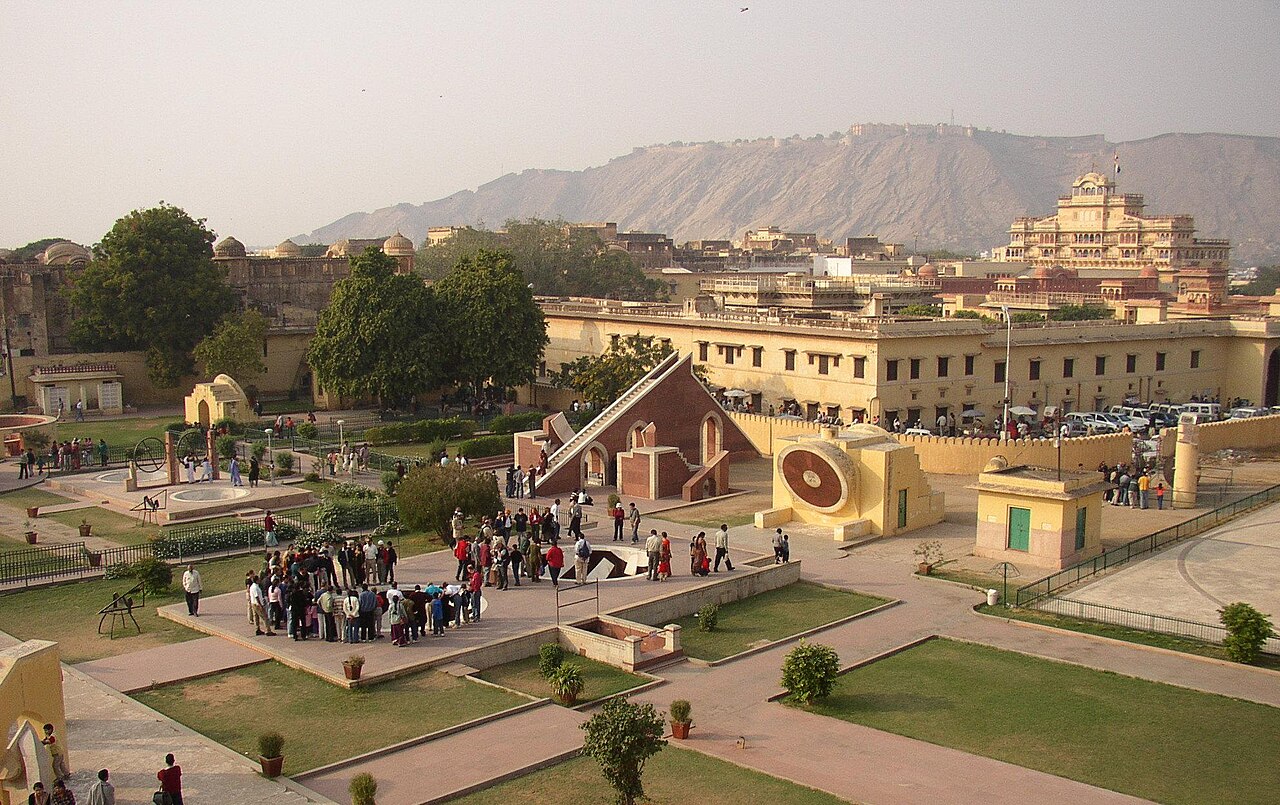
Jantar Mantar, located at coordinates 26.92477154, 75.82455597 in Rajasthan, India, is an astronomical observatory built in the 18th century. Commissioned by Maharaja Jai Singh II of Jaipur, it reflects the scientific advancements of its time. The site features a collection of architectural astronomical instruments, each meticulously designed for specific functions, such as measuring time, tracking celestial bodies, and understanding the Earth's movements. The observatory is also notable for its unique blend of architecture and astronomy, showcasing how the two fields intersected in historical contexts.
Why Visit
- Home to some of the world's largest astronomical instruments, including the Samrat Yantra, which is a massive sundial.
- The architectural design reflects a combination of Hindu and Islamic influences, representing the cultural synthesis of the period.
- It serves as a prominent example of the scientific pursuits during the Mughal era, highlighting the importance of astronomy in Indian history.
- The site is a UNESCO World Heritage Site, recognized for its historical significance and architectural grandeur.
Visitor Experience
Visitors to Jantar Mantar can explore the vast array of astronomical instruments, each with a distinct purpose. The experience includes walking through the grounds and observing the intricately designed structures, many of which are still functional today. Guided tours are available, providing insights into the historical context and the scientific principles behind each instrument. The site is often less crowded than other tourist spots, allowing for a more contemplative experience among the ancient structures. The architecture itself offers excellent opportunities for photography, particularly during sunrise and sunset when the light casts dramatic shadows across the instruments.
Travel Tips
When visiting, it is advisable to wear comfortable walking shoes, as the observatory grounds cover a significant area. Early morning or late afternoon visits can be more pleasant due to cooler temperatures and softer lighting. Bringing a camera is recommended for capturing the unique architectural features. Additionally, consider hiring a local guide for a deeper understanding of both the scientific and historical significance of the instruments. Be mindful of local customs and dress modestly in respect of the cultural heritage surrounding the site.
Nearby Places
Situated in close proximity to Jantar Mantar are various attractions that reflect the rich cultural heritage of Rajasthan. The City Palace, a stunning example of royal architecture, is located just a short distance away, showcasing the lavish lifestyle of the Maharajas. Additionally, the Hawa Mahal, known as the Palace of Winds, offers an impressive façade and historical significance. For those interested in local markets, the nearby bazaars present a chance to experience traditional crafts and Rajasthani cuisine, further enriching the visit to this culturally vibrant region.
See also
Places around this location