Overview
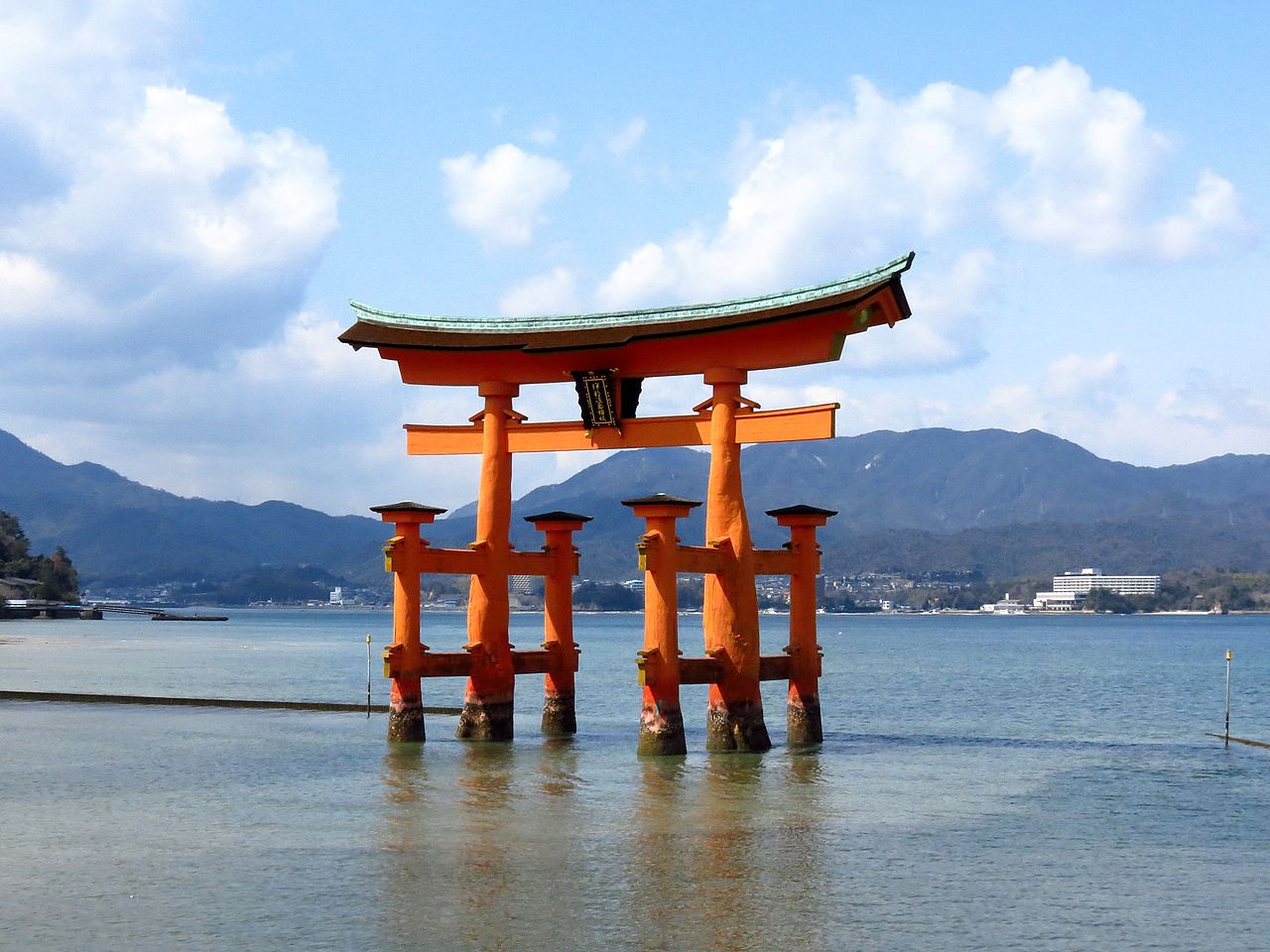
Itsukushima Jinja is a Shinto shrine located on the island of Itsukushima, commonly known as Miyajima, situated in Hiroshima Prefecture, Japan. Established in the sixth century, the shrine is dedicated to the three daughters of the sea god, Susanoo. It is renowned for its iconic "floating" torii gate, which appears to be standing in the water during high tide, creating a picturesque view that attracts visitors from around the globe. The shrine complex is an excellent representation of traditional Japanese architecture and is harmoniously integrated into the natural landscape.
Why Visit
- The shrine's torii gate, a UNESCO World Heritage Site, is one of Japan's most photographed landmarks.
- The shrine architecture, which dates back to the 12th century, showcases the unique style of Shinto shrine design.
- Visitors can enjoy the serene atmosphere, enhanced by the surrounding mountains and sea.
- The annual ceremonies and festivals held at the shrine provide insight into local traditions and Shinto practices.
- Close proximity to hiking trails and other cultural sites on Miyajima enhances the overall experience.
Visitor Experience
Upon arrival, visitors are greeted by the sight of the grand torii gate, which stands at 16.6 meters tall. The shrine itself is built on stilts over the water, with pathways that connect various buildings. Visitors can explore the main hall, known as Honden, which features beautiful wooden structures adorned with intricate details. Walking through the shrine grounds, one may encounter sacred deer that roam freely, adding to the unique ambiance of the area. The shrine is also known for its well-preserved historical artifacts and artworks, which are sometimes displayed to the public. The experience is enriched during high tide when the water surrounds the shrine, creating an ethereal effect.
Travel Tips
To fully appreciate Itsukushima Jinja, plan your visit during high tide to witness the breathtaking views of the torii gate appearing to float. Early morning or late afternoon visits may offer a quieter experience, as well as beautiful lighting for photography. Be sure to check tide schedules in advance. Respectful behavior is expected, as it is a religious site; visitors should dress modestly and follow local customs. Guided tours are available, which can provide deeper insights into the shrine's history and significance. Additionally, consider trying local delicacies like momiji manju, a sweet cake shaped like maple leaves, available from nearby vendors.
Nearby Places
Miyajima Island offers several attractions in addition to Itsukushima Jinja. Mount Misen, the island's highest peak, provides hiking trails and spectacular views of the Seto Inland Sea. The Daisho-in Temple, a significant Buddhist temple, is located nearby and features numerous statues and a beautiful garden. Visitors can also explore the historic streets of Miyajima, where traditional shops and eateries showcase local crafts and cuisine. The island is also home to the Miyajima Aquarium, which features marine life native to the region, enhancing the overall cultural experience of the visit.
See also
Places around this location