Overview
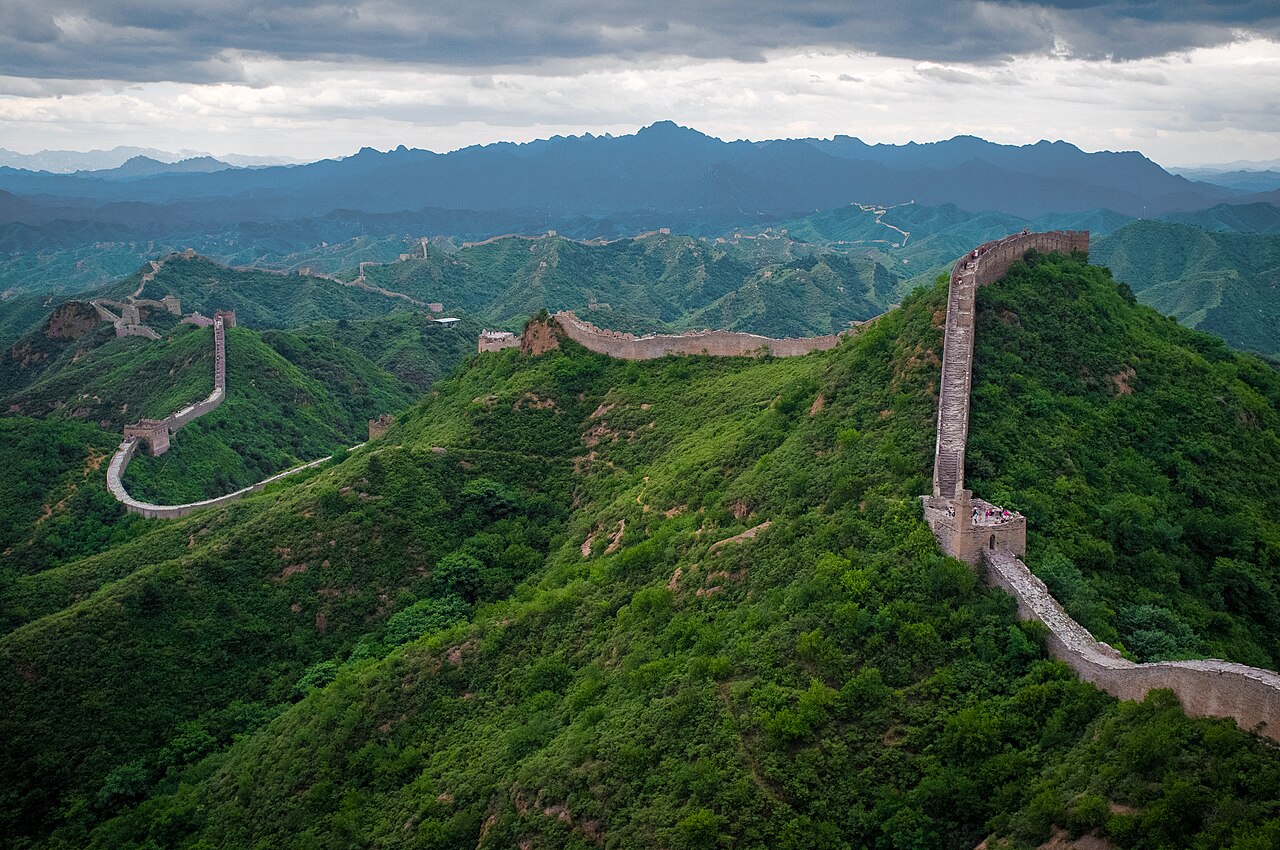
Located in northern China, the Great Wall stretches across several provinces, with the most iconic section situated near Beijing. This UNESCO World Heritage site, built over several dynasties, primarily during the Ming Dynasty (1368–1644), serves as a testament to ancient Chinese engineering and military strategy. The wall spans approximately 13,170 miles (21,196 kilometers), constructed from various materials including earth, wood, bricks, and stone. Its purpose was to protect Chinese states from invasions and raids, and it stands as one of the most recognized symbols of China.
Why Visit
- Historical Significance: The Great Wall represents thousands of years of Chinese history and military architecture, showcasing the ingenuity of ancient civilizations.
- Architectural Marvel: Visitors can admire various construction styles and techniques, reflecting the different dynasties that contributed to its development.
- Breathtaking Views: The wall offers stunning panoramic vistas of the surrounding mountains and valleys, especially at sunrise and sunset.
- Cultural Experience: Numerous sections of the wall host cultural events and festivals, allowing visitors to immerse themselves in local traditions.
- Outdoor Activities: Hiking along different segments of the wall provides an excellent opportunity for outdoor enthusiasts to explore its rugged terrain.
Visitor Experience
Exploring this monumental structure can vary greatly depending on the chosen section. Popular areas like Badaling and Mutianyu are well-preserved and feature amenities such as cable cars, making them accessible to a wide range of visitors. In contrast, less touristy sections like Jiankou and Simatai offer a more rugged and authentic experience, appealing to those seeking solitude and adventure. Walking along the wall, one can encounter watchtowers and scenic overlooks that provide insights into the historical significance and strategic importance of this engineering feat. Guided tours are also available for those interested in learning more about the wall's history and the stories behind its construction.
Travel Tips
When visiting, it is advisable to wear comfortable footwear as the terrain can be uneven and steep in certain areas. Hydration is essential, especially during the warmer months. Early mornings or late afternoons are the best times to visit to avoid crowds and enjoy cooler temperatures. Additionally, be mindful of the weather, as conditions can change rapidly in mountainous regions. Visitors should also consider exploring multiple sections of the wall, as each offers unique features and experiences.
Nearby Places
In close proximity to this historic landmark, the Ming Tombs provide an insightful glimpse into the burial practices of China's Ming Dynasty emperors. The Summer Palace, located northwest of Beijing, showcases exquisite gardens and classical architecture, reflecting the artistry of Chinese landscape design. Additionally, the city of Beijing itself offers a wealth of cultural attractions, including the Forbidden City and Tiananmen Square, making it a convenient base for exploring both historical and modern aspects of Chinese heritage.
See also
Places around this location