Overview
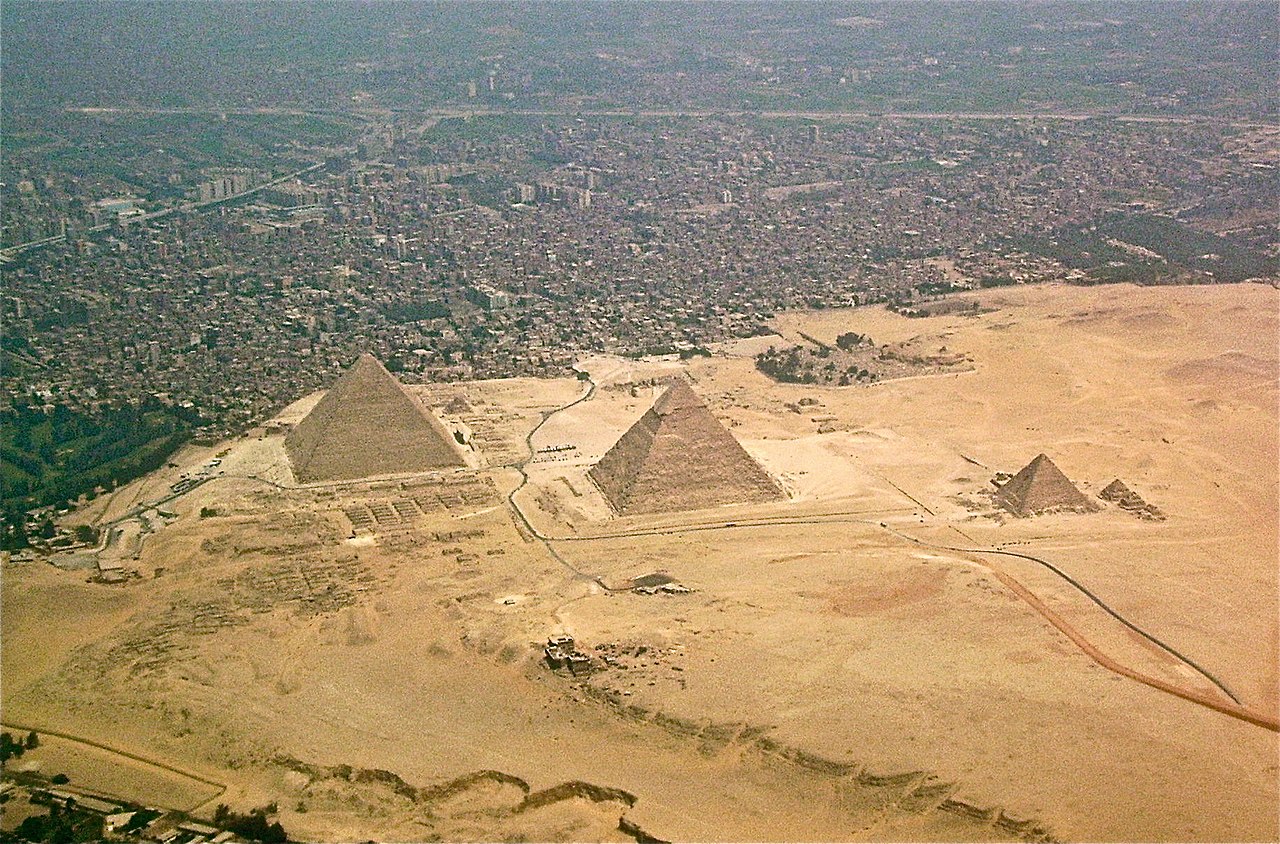
The Giza Necropolis, located on the Giza Plateau near Cairo, Egypt, is one of the most significant archaeological sites in the world. It is renowned for its monumental structures, including the Pyramids of Khufu, Khafre, and Menkaure, as well as the Great Sphinx. This UNESCO World Heritage Site dates back to the Fourth Dynasty of the Old Kingdom of Egypt, approximately 2580 to 2560 BC. The necropolis serves as a testament to the grandeur of ancient Egyptian civilization and its sophisticated understanding of architecture, art, and burial practices.
Why Visit
- The Great Pyramid of Giza: The largest of the three pyramids, built as a tomb for Pharaoh Khufu, is an architectural marvel and one of the Seven Wonders of the Ancient World still in existence.
- The Great Sphinx: This iconic limestone statue, with the body of a lion and the head of a pharaoh, is a symbol of ancient Egypt, believed to represent the sun god Ra.
- Historical Significance: The site provides crucial insights into ancient Egyptian society, religion, and funerary practices, showcasing the civilization's advancements in engineering and art.
- Archaeological Research: Ongoing excavations and studies continue to uncover new information about the ancient Egyptians, making it a dynamic site for both scholars and visitors.
Visitor Experience
Visitors to the Giza Necropolis can explore the impressive pyramids, with the option to enter some of the tombs, which contain intricate hieroglyphics and burial chambers. The site also offers panoramic views from various vantage points, allowing for breathtaking photographs. Guided tours are available, providing detailed historical context and stories behind each structure. Additionally, the surrounding desert landscape adds to the unique atmosphere, offering a glimpse into the environment where ancient Egyptians lived and built these magnificent monuments.
Travel Tips
When visiting the Giza Necropolis, it is advisable to wear comfortable shoes, as the terrain can be uneven and sandy. Early morning or late afternoon visits can help avoid the heat of the day and provide optimal lighting for photography. Hydration is essential, so carrying water is recommended. Respect for the site is crucial; visitors should refrain from climbing on the pyramids or disturbing any artifacts. Additionally, consider hiring a local guide for a more enriched experience, as they can provide detailed insights and anecdotes that enhance understanding.
Nearby Places
Close to the Giza Necropolis, the Solar Boat Museum showcases an ancient wooden boat believed to have belonged to Pharaoh Khufu, adding another layer of historical significance to the site. The nearby Sakkara necropolis, home to the Step Pyramid of Djoser, represents an earlier phase of pyramid construction and is just a short drive away. Additionally, the bustling city of Cairo offers various museums, including the Egyptian Museum, which houses a vast collection of artifacts from ancient Egypt, making it a worthwhile stop for those interested in the rich history of the region.
See also
Places around this location