Overview
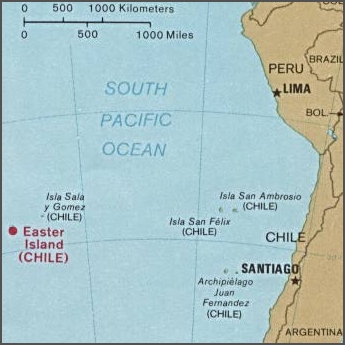
Easter Island, known as Rapa Nui in the local language, is a remote volcanic island located in the southeastern Pacific Ocean. Its coordinates are approximately -27.1123° S latitude and -109.3597° W longitude. The island is famous for its archaeological sites, particularly the moai, which are large stone statues that represent the ancestors of the Rapa Nui people. This UNESCO World Heritage site features a landscape shaped by volcanic activity and offers insights into the ancient Polynesian culture that flourished here.
Why Visit
- The iconic moai statues, which number over 800, each uniquely carved from volcanic tuff.
- Rano Raraku, the quarry where most moai were sculpted, is an essential archaeological site.
- The Ahu Tongariki, the largest ceremonial platform, showcases the impressive alignment of the moai at sunrise.
- The unique petroglyphs scattered throughout the island provide insight into the island's cultural history.
- The natural beauty of the island's coastline, featuring stunning cliffs and sandy beaches, ideal for exploration.
Visitor Experience
Exploring the island offers a mix of historical and natural experiences. Visitors can trek to the Rano Kau volcano, which provides breathtaking views of the island and the surrounding ocean. Hiking trails lead to Orongo, a ceremonial village where the Birdman cult once thrived. Engaging with local guides enriches the experience, as they share stories about the island's history, the significance of the moai, and traditional practices of the Rapa Nui people. Cultural festivals, such as Tapati, celebrate the island's heritage and provide opportunities to witness local customs, traditional music, and dance.
Travel Tips
Travelers should prepare for a variety of weather conditions, as the island's climate can change rapidly. Lightweight, breathable clothing and sturdy hiking shoes are recommended for outdoor activities. It's advisable to stay hydrated, especially when exploring the island's remote areas. Respect for local customs and the environment is essential; visitors should avoid climbing on the moai and should refrain from disturbing archaeological sites. Additionally, learning a few phrases in Rapa Nui can enhance interactions with locals.
Nearby Places
Beyond the main archaeological sites, visitors can explore Anakena Beach, known for its white sand and palm trees, offering a picturesque spot for relaxation. The Ahu Akivi site features seven moai that face the ocean, a unique feature compared to other sites. The island's only town, Hanga Roa, serves as a cultural hub, where visitors can find restaurants, shops, and a local market showcasing Rapa Nui crafts and cuisine. These nearby attractions provide further context to the rich history and culture of this remote island.
See also
Places around this location