Overview
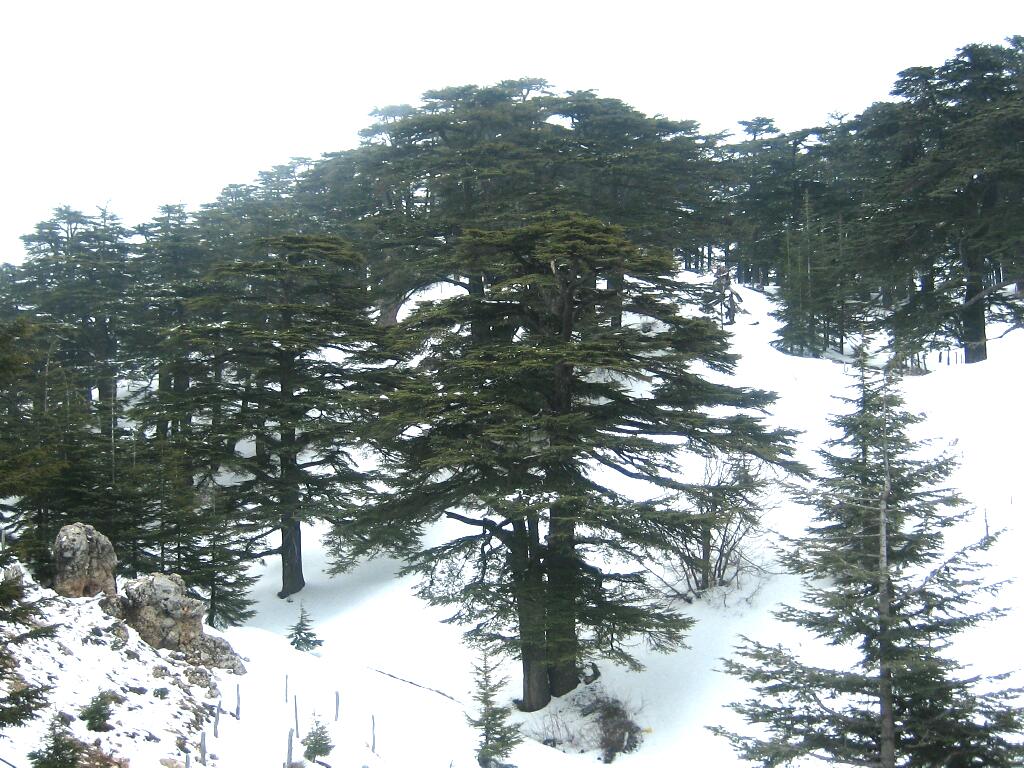
Located in the mountainous region of Lebanon, the Cedars of God at Bsharri is a UNESCO World Heritage Site that showcases one of the last remaining patches of the ancient cedar forests. The site is situated at approximately 34.2438° N latitude and 36.0489° E longitude, nestled within the majestic Qadisha Valley. These cedar trees, known scientifically as Cedrus libani, hold significant historical and cultural importance, having been revered since antiquity. The forest is characterized by its impressive cedar trees, some of which are over a thousand years old, standing majestically amidst a landscape of rugged mountains and deep valleys.
Why Visit
- Explore the ancient cedar trees, some of which reach heights of over 35 meters.
- Experience the rich biodiversity of the surrounding ecosystem, which includes various plant and animal species.
- Visit the nearby historical and religious sites, including ancient monasteries and churches.
- Enjoy panoramic views of the Qadisha Valley and the surrounding mountains, providing excellent photographic opportunities.
- Participate in hiking trails that weave through the forest and lead to breathtaking viewpoints.
Visitor Experience
Visitors to the Cedars of God can engage in various outdoor activities, including hiking and nature walks, which allow for a closer look at the diverse flora and fauna. The area is well-marked with trails that vary in difficulty, catering to both casual walkers and more experienced hikers. Interpretive signage throughout the site provides insights into the ecology and history of the cedars, enhancing the educational aspect of the visit. The serene atmosphere, coupled with the towering trees and stunning landscapes, creates a tranquil environment for reflection and appreciation of nature. Additionally, the site attracts researchers and nature enthusiasts interested in studying the unique ecology of the cedar forests.
Travel Tips
When visiting the Cedars of God, it is advisable to wear comfortable walking shoes suitable for hiking. The terrain can be uneven in some areas, so appropriate footwear is essential. Visitors should also consider bringing water and snacks, as amenities may be limited within the forest. The best time to visit is during the spring and fall months when the weather is mild and the natural scenery is at its most vibrant. Additionally, early mornings or late afternoons offer the best lighting for photography. Respecting the natural environment is crucial; visitors are encouraged to follow established trails and avoid disturbing wildlife.
Nearby Places
In proximity to the Cedars of God, the Qadisha Valley offers additional exploration opportunities, including ancient monasteries such as the Monastery of Qozhaya, which dates back to the 5th century. The valley itself is known for its dramatic scenery, featuring steep cliffs and rich vegetation. The Bsharri town, located nearby, is known for its cultural heritage and the birthplace of the famous Lebanese poet Khalil Gibran, with several sites dedicated to his memory. Visitors can also explore the nearby Tannourine Cedar Forest Nature Reserve, which features more cedar trees and additional hiking trails.
See also
Places around this location