Overview
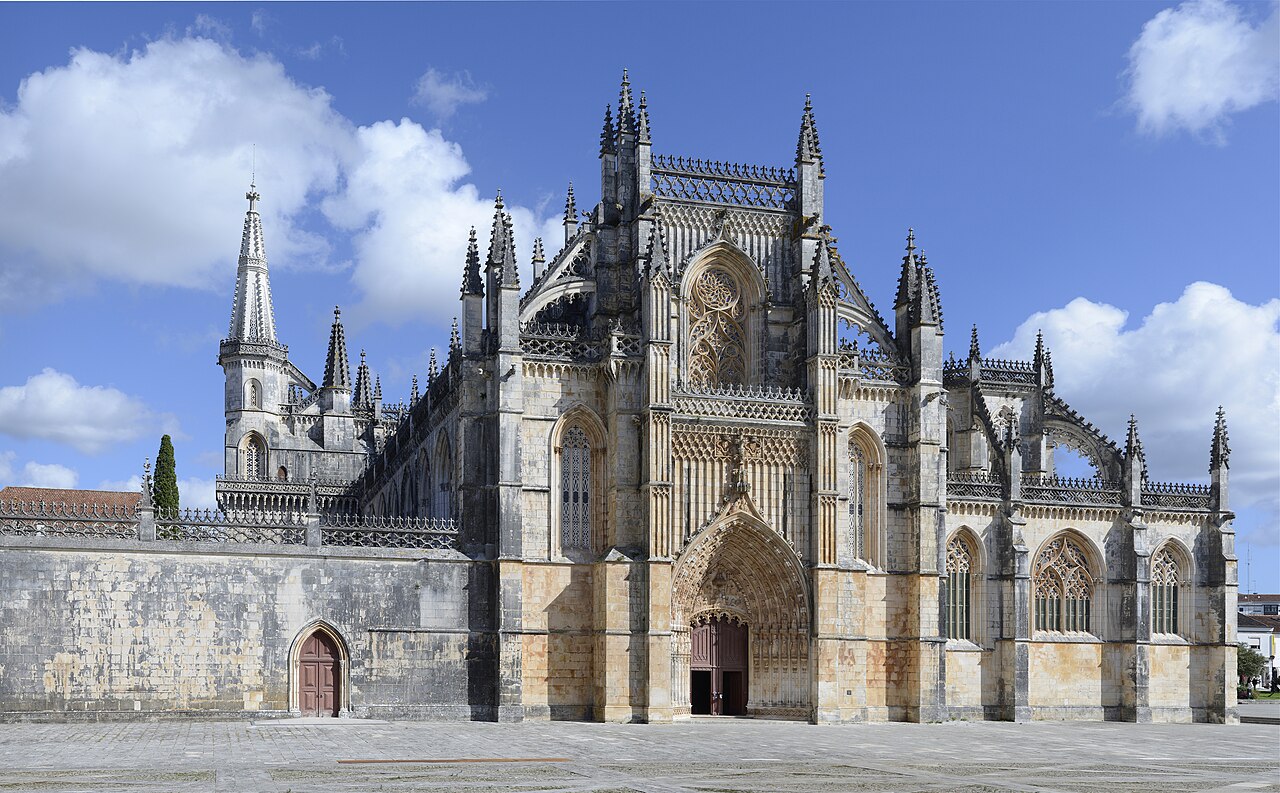
Batalha Monastery, located at coordinates 39.65917499, -8.825566696, is a remarkable example of Gothic architecture in Portugal. Renowned for its intricate design and historical significance, this monastery was constructed in the 14th century to commemorate the Battle of Aljubarrota, a pivotal conflict in the Portuguese struggle for independence. The structure is a UNESCO World Heritage Site, representing the artistry of the Manueline style that emerged in the late 15th century and continues to captivate visitors with its elaborate stonework and detailed facades.
Why Visit
- Explore the stunning chapter house, which features an intricately carved wooden ceiling and remarkable stained glass.
- Admire the beautiful cloister, known for its intricate arches and serene atmosphere, providing insight into monastic life.
- Observe the tomb of King John I and his wife, Philippa of Lancaster, significant figures in Portuguese history.
- Experience the unique blend of architectural styles, with elements of Gothic and Manueline architecture visible throughout the site.
- Participate in cultural events and exhibitions often held within the monastery grounds, showcasing local art and history.
Visitor Experience
Visitors to Batalha Monastery are greeted by its impressive facade, which features towering spires and intricate sculptures that reflect the craftsmanship of the period. As one enters the monastery, the vastness of the interior spaces, including the nave and side chapels, creates a sense of awe. The acoustics within the church are remarkable, often enhancing the experience of any musical performances or liturgical services held there. Walking through the cloisters allows visitors to appreciate the tranquility of the gardens and the detailed carvings that adorn the arches, which depict various biblical scenes and figures. The site is a place of reflection, and many visitors take time to absorb the historical context and architectural beauty surrounding them.
Travel Tips
When visiting Batalha Monastery, consider taking a guided tour to gain deeper insights into its historical and architectural significance. Early morning or late afternoon visits can provide a quieter experience, allowing for better photographs and reflection. Don't forget to wear comfortable shoes, as exploring the extensive grounds may require walking on uneven surfaces. Additionally, be mindful of any special events that may be taking place, as they can influence access to certain areas of the monastery.
Nearby Places
In close proximity to the monastery, visitors can explore the charming town of Batalha, which offers quaint shops and local eateries. The nearby town of Alcobaça, home to another UNESCO-listed monastery, provides further opportunities for historical exploration. Additionally, the scenic landscapes of the region, including rolling hills and rural vistas, invite outdoor activities and sightseeing, enhancing the overall travel experience in this culturally rich area of Portugal.
See also
Places around this location