Overview
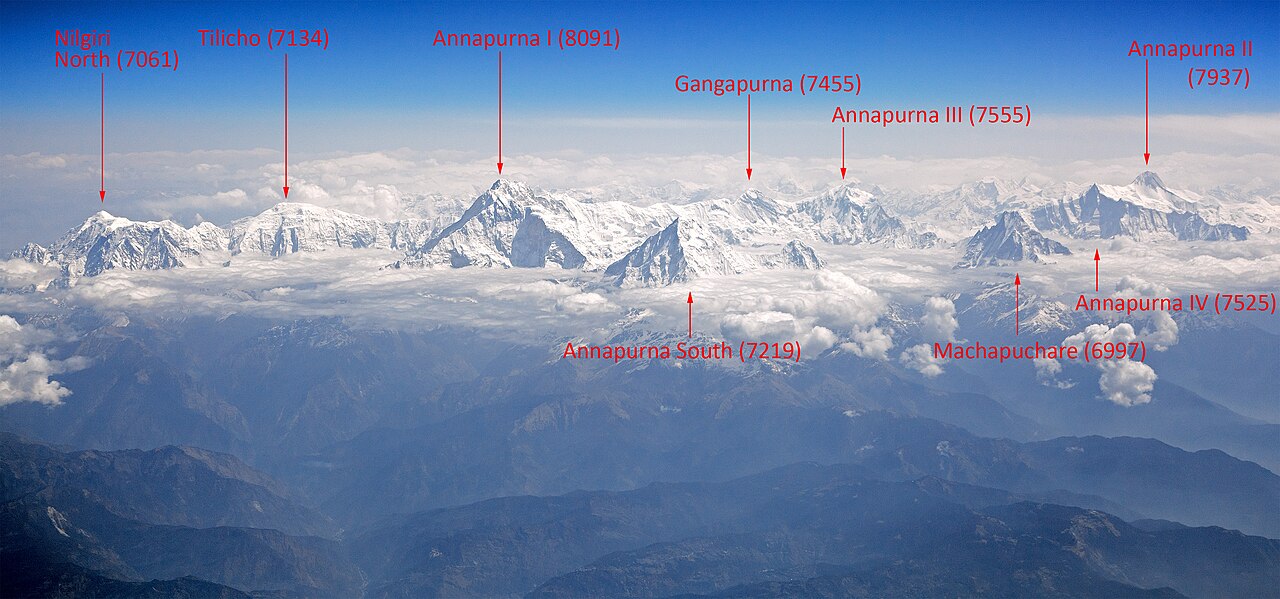
Annapurna Valley, nestled in the heart of Nepal's Annapurna region, is a stunning area characterized by dramatic landscapes, rich biodiversity, and unique cultural heritage. This valley is part of the greater Annapurna Conservation Area, which encompasses the Annapurna Mountain Range and is renowned for its breathtaking views, diverse ecosystems, and rich traditions. The coordinates 28.8195° N, 83.9950° E place it amidst some of the highest peaks in the world, making it a focal point for trekkers and nature enthusiasts alike.
Why Visit
- Home to iconic peaks, including Annapurna I, which stands at 8,091 meters and is the 10th highest mountain in the world.
- The valley is inhabited by various ethnic groups, including Gurungs and Magars, each with distinct cultures and traditions.
- Rich biodiversity, with numerous species of flora and fauna, including several endangered species like the snow leopard.
- Beautiful trekking routes, such as the Annapurna Circuit and Annapurna Base Camp trek, offer varying levels of challenge and stunning vistas.
- Cultural experiences include local festivals, traditional music and dance, and opportunities to visit ancient monasteries.
Visitor Experience
Visitors to Annapurna Valley can expect a diverse range of activities that cater to both adventure seekers and those interested in cultural immersion. Treks through the valley provide not only physical challenges but also opportunities to engage with local communities. The trails often lead to traditional villages, where travelers can observe daily life and partake in local customs. Scenic viewpoints reveal panoramic vistas of snow-capped peaks and lush valleys, making photography a rewarding endeavor. The climate varies significantly with altitude, offering different experiences depending on the season and elevation.
Travel Tips
When planning a visit to Annapurna Valley, it is essential to consider the best time of year for trekking, which typically falls between September to November and March to May. Acclimatization is crucial due to the high altitude, so pacing yourself on treks is advisable. Additionally, travelers should prepare for variable weather conditions, especially in the higher elevations. It is recommended to carry adequate gear, including sturdy footwear, warm clothing, and sufficient food and water supplies. Engaging with local guides can enhance the experience, providing insights into the area's rich culture and history.
Nearby Places
Several notable locations surround Annapurna Valley, enhancing the overall visitor experience. To the north lies the majestic Annapurna Sanctuary, a revered area for trekkers, featuring rich flora and stunning mountain scenery. The town of Pokhara, located to the south, serves as a gateway to the Annapurna region and offers attractions such as Phewa Lake and the World Peace Pagoda. Other nearby sites include the historic town of Bandipur, known for its preserved Newari architecture, and Ghandruk, a picturesque Gurung village that provides insight into local culture and tradition.
See also
Places around this location