Overview
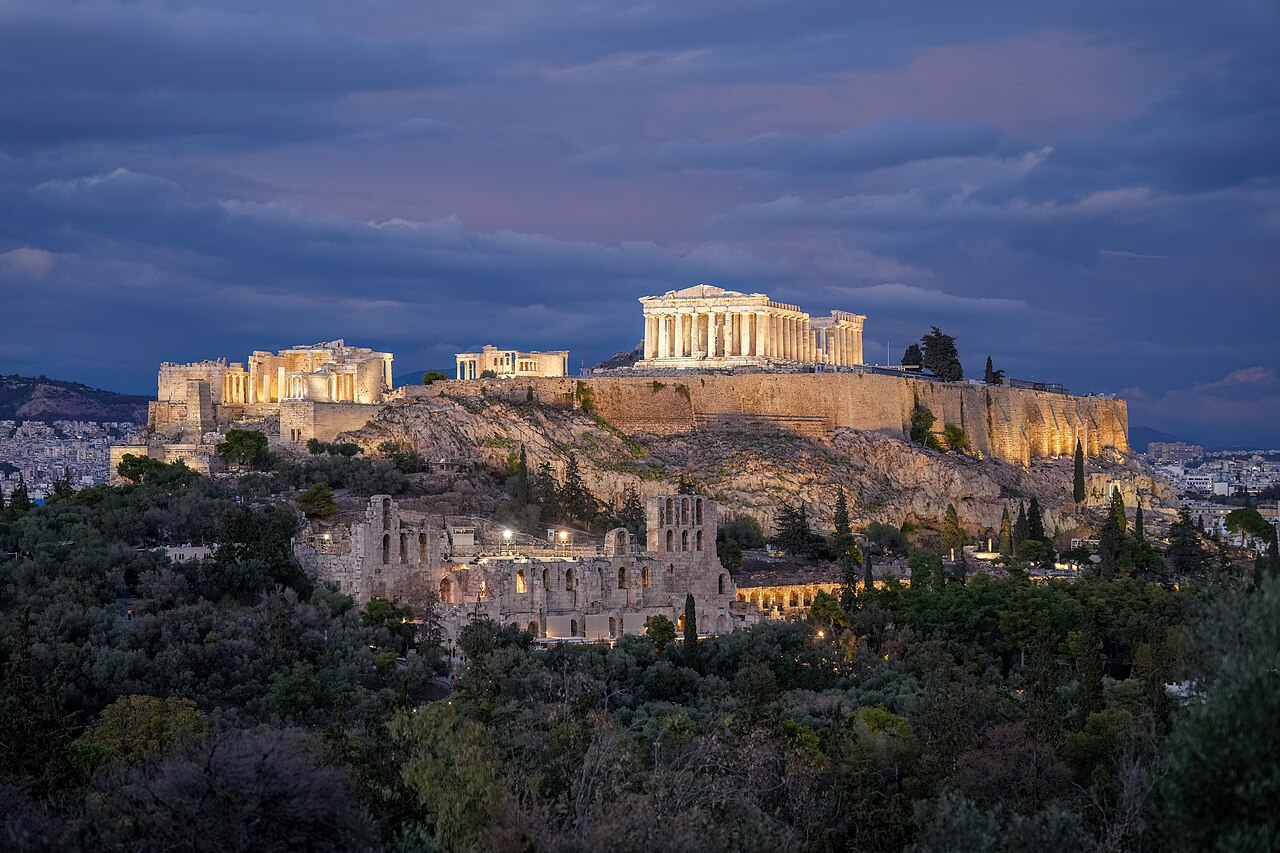
The Acropolis of Athens, perched on a rocky outcrop above the city, is an ancient citadel that has become synonymous with the heritage of classical Greece. This UNESCO World Heritage site, located at coordinates 37.97154873, 23.72573393, is home to several significant structures, the most notable of which is the Parthenon, a temple dedicated to the goddess Athena. The term 'Acropolis' itself translates to 'high city' and signifies its historical importance as a center of political and religious life during the 5th century BCE.
Why Visit
- Parthenon: This iconic temple, built between 447 and 432 BCE, is a masterpiece of classical architecture and an enduring symbol of ancient Greece.
- Erechtheion: Known for its unique design and the famous Caryatids, this temple is dedicated to both Athena and Poseidon and showcases the complexities of ancient Greek religious practices.
- Theatre of Dionysus: Located on the southern slope of the Acropolis, this ancient theatre is considered the birthplace of drama and hosted performances of many famous Greek tragedies.
- Acropolis Museum: Situated nearby, this modern museum houses artifacts from the Acropolis site and offers valuable insights into the history and significance of the structures.
- Stunning Views: The elevated position provides panoramic views of Athens, allowing visitors to appreciate both the ancient and modern facets of the city.
Visitor Experience
Exploring the Acropolis offers a journey through time, where visitors can immerse themselves in ancient Greek civilization. Walking through the archaeological site, one can observe the intricate details of Doric columns and the remnants of ancient sculptures. Guided tours are available, providing deeper insights into the architectural styles and historical events that shaped the site. The atmosphere is particularly captivating at sunrise or sunset, when the golden light enhances the beauty of the ancient stones and enhances the overall experience.
Travel Tips
To make the most of a visit, it is advisable to wear comfortable shoes due to the uneven terrain. Early morning visits can help avoid crowds and the heat of the day, while ensuring a serene experience. Bringing water and sun protection is recommended, as there are limited shaded areas on site. Be aware of preservation efforts that may lead to restricted access to certain areas during restoration projects. Engaging with knowledgeable guides can provide context that enhances appreciation for the historical significance of the structures.
Nearby Places
Adjacent to the Acropolis, the Ancient Agora provides a glimpse into the daily life of ancient Athenians, featuring the well-preserved Temple of Hephaestus. Just a short walk away, the Roman Agora offers remnants of the Roman influence on the city. For those interested in further exploring Athenian history, the Plaka neighborhood, with its charming streets and traditional architecture, is an excellent place to experience local culture and cuisine. Additionally, the National Archaeological Museum is a must-visit for anyone keen on further understanding Greece's rich history through its extensive collection of artifacts.
See also
Places around this location